The Power of Alcohol-Free
Drinks and blood pressure: what the evidence supports

By Anthony
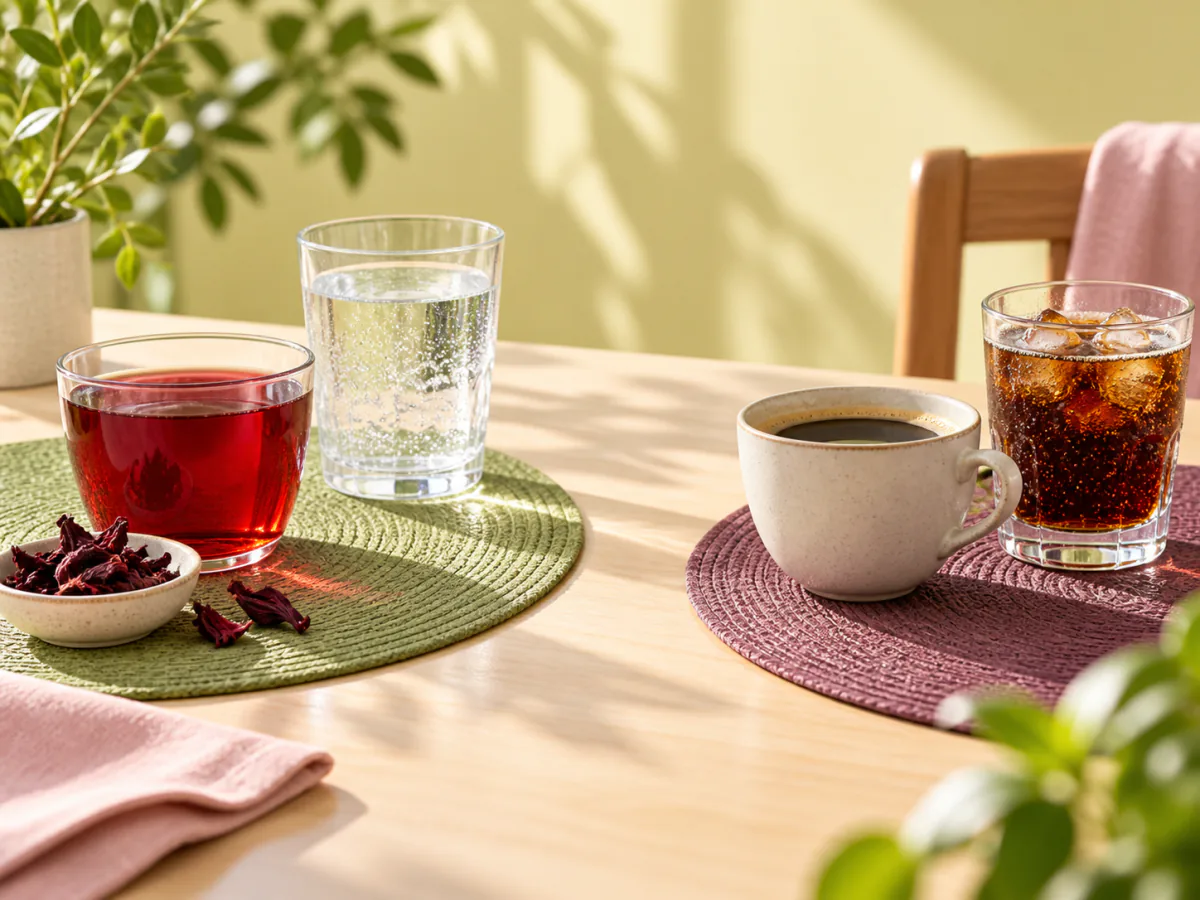
To begin
What is in the glass can matter to blood pressure, but the internet often turns small study effects into a complete treatment plan. Sugary drinks, alcohol and high-caffeine products can work against blood-pressure control. Hibiscus and beetroot have been studied, yet neither is a replacement for prescribed care.
The useful distinction is between an association, a short-term measurement and a treatment that improves outcomes over time. This guide keeps those categories separate.
Drinks that can make blood-pressure control harder
Frequent sugar-sweetened drinks are associated with a less healthy cardiometabolic profile, but a can does not translate into one fixed rise in millimetres of mercury for every person. The same applies to energy drinks: caffeine and other ingredients can produce a temporary cardiovascular response, and the size of that response varies with the product and the drinker. They are a poor strategy for managing hypertension.
Alcohol is clearer. The American Heart Association advises people with high blood pressure to limit or avoid it. The World Health Organization also rejects the idea of a generally safe or protective drinking level. The old “one glass is good for the heart” story is not a blood-pressure prescription.
Hibiscus: a promising drink, not a plant-based tablet
Randomised trials of Hibiscus sabdariffa suggest a modest average reduction in blood pressure in some adults with mild-to-moderate hypertension. A meta-analysis of 13 trials found reductions compared with placebo, but the trials did not establish equivalence to antihypertensive medicines. The authors called for better long-term evidence.
That is a useful lead for research, not an equivalence study or a reason to replace prescribed treatment with hibiscus or present it as an ACE-inhibitor medicine. The studies used different preparations and doses. No reliable morning cut-off or universal three-cup schedule follows from them.
Herbal products can interact with medicines, and the NHS advises checking with a pharmacist or clinician when blood-pressure medicines are involved. There is no evidence here for a blanket two-to-four-hour spacing rule.
Beetroot: nitrate research with a study-specific dose
Dietary nitrate from beetroot can be converted through the oral microbiome into nitrite and nitric oxide, a plausible route to vascular effects. In one randomised trial, adults with hypertension took 250 ml of beetroot juice daily for four weeks. That result is a study protocol, not proof that one glass produces a predictable ten-point fall or remains effective for 24 hours.
If you enjoy beetroot, treat it as a food. Do not use a juice experiment to change a blood-pressure prescription, and do not assume that beetroot juice has a documented interaction with every anticoagulant or blood-pressure medicine. Check the actual product and medicine with a pharmacist.
Tea, dairy and mineral water: keep the claims in proportion
Green tea and fermented dairy are foods that can fit into a balanced diet. Evidence for a clinically meaningful, repeatable blood-pressure effect is mixed and does not justify a fixed timing schedule or a promised “cumulative drop.”
Mineral water hydrates. Its mineral profile varies by brand, and a high-sodium water may not suit someone following a sodium-restricted plan. Read the label rather than treating a named bottle or a magnesium threshold as therapy. A normal glass of water is not a cardiovascular drug.
Medicines and fruit juice are a separate question
Do not take a prescribed treatment with a made-up interval from an article. Interactions depend on the exact drug, dose, preparation and person. The FDA explains that grapefruit can affect some medicines, including some medicines used for high blood pressure, while it does not affect every drug in a class. Orange or apple juice can also affect specific medicines such as fexofenadine; this is not a reason to ban every fruit juice for every prescription.
For a new herbal drink, concentrated juice or supplement, check the leaflet and ask a pharmacist. Continue prescribed treatment unless the prescriber changes it.
What actually moves the needle
Blood-pressure care is built around measurement, diet, activity, sodium intake, sleep, smoking, alcohol and medication when needed. A hibiscus infusion or beetroot juice can be a pleasant food choice, but it belongs inside that plan. It should never be presented as a substitute for diagnosis, monitoring or treatment.
Sources
A drink can influence blood pressure, but the useful effect is usually smaller and less predictable than a headline suggests. Alcohol and high-caffeine or sugary products can undermine control; hibiscus and beetroot have early or study-specific evidence for modest changes, not a licence to replace treatment.
Choose drinks for taste and context, check medicines with a pharmacist, and let measured blood pressure — not a wellness timetable — guide the next decision.