The Power of Alcohol-Free
After years of drinking: what helps protect liver health at any age

By Anthony
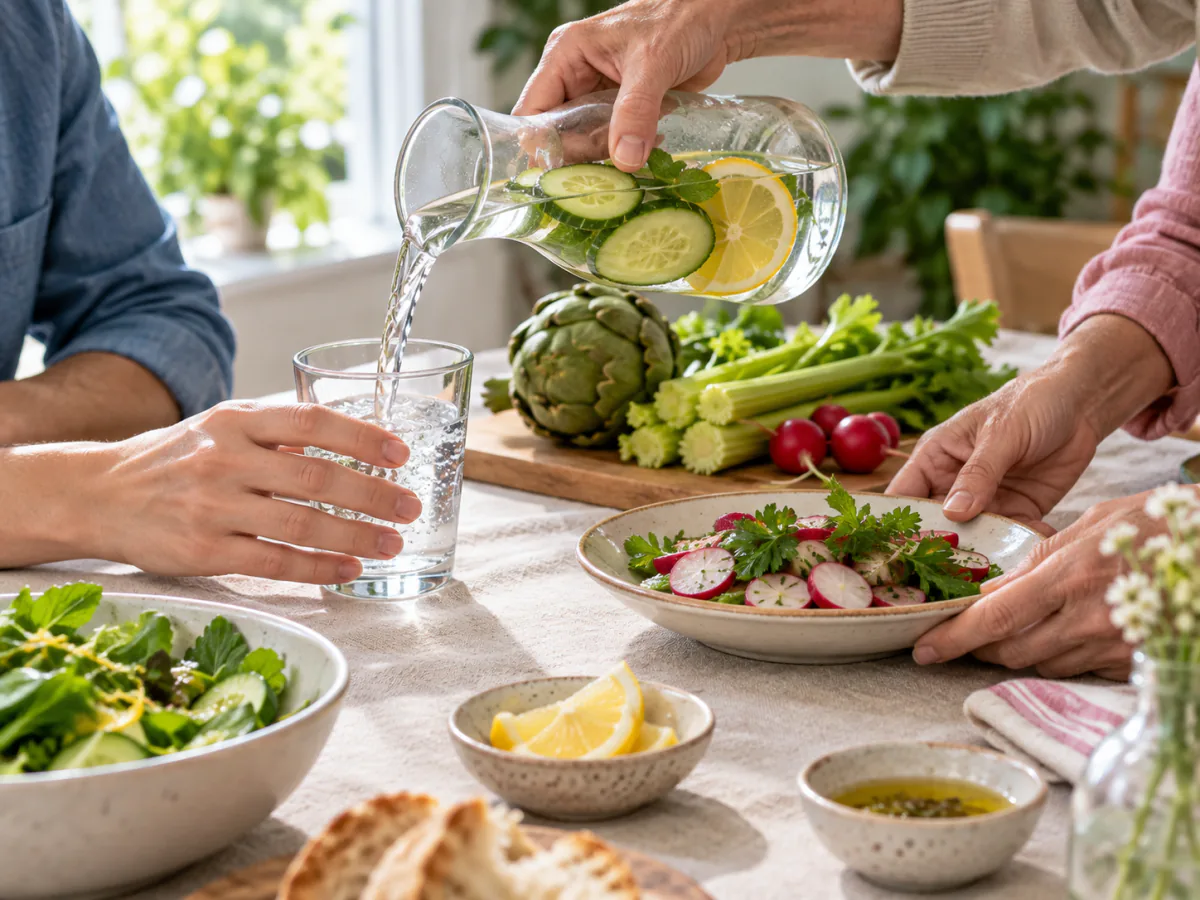
To begin
The liver can recover from some alcohol-related injury, but a juice, herb or age-based “regeneration” plan cannot tell you how much damage is present. Fatty liver may improve when alcohol is removed; advanced scarring is a different problem and can be permanent.
The dependable first step is to stop the cause of injury and arrange an assessment. If alcohol dependence is possible, stopping suddenly can cause dangerous withdrawal; seek professional support rather than attempting an unsupervised stop. Food, movement and a sensible routine support care; they do not replace liver tests, imaging or treatment for alcohol use disorder.
What recovery can mean
The NIAAA describes alcohol-related liver disease as a spectrum from fat accumulation to inflammation, fibrosis and cirrhosis. Abstinence improves the outlook at nearly every stage. The NIDDK says that people with alcohol-associated liver disease and cirrhosis are generally advised to stop drinking completely.
That is a treatment principle, not a promise that an organ will “regenerate” to a fixed schedule at 20, 40 or 60. Fatty liver can improve; cirrhosis is not simply reversed by a drink or supplement. The extent of recovery depends on the condition, complications, nutrition and ongoing alcohol exposure.
Food that supports treatment
A varied diet with vegetables, fruit, whole grains, legumes and adequate protein supports general nutrition. It does not “flush toxins” from the liver. If cirrhosis is present, nutrition needs become more individual: NIDDK guidance notes that clinicians may recommend smaller, more frequent meals and avoiding long periods without food.
Water is useful for hydration. Vegetable juice can be a food choice. Lemon, celery, artichoke, dandelion, grapes and apples do not have a proven purifying action that repairs alcohol-related liver injury.
Plants and supplements need a higher bar
Milk thistle is often marketed as hepatoprotective. The NCCIH review says clinical trials in alcohol-related and other liver diseases are conflicting or too limited for firm conclusions. It also notes product-quality problems and possible interactions. There is no evidence here for a universal one-capsule-three-times-a-day regimen.
Nettle and other “detox” herbs are not a substitute for abstinence or an assessment. If you have liver disease, take medicines or are considering a supplement, give the exact product and dose to a clinician or pharmacist first.
Age changes the context, not the prescription
In your twenties or thirties, an early change in drinking can prevent cumulative injury. In midlife, weight, metabolic health, medicines and years of exposure may all matter. Later in life, frailty, nutrition and co-existing disease can change what is safe. These are reasons to assess the person, not evidence for three different plant cures.
At any age, jaundice or abdominal swelling calls for prompt medical advice. Vomiting blood, black stools, confusion or severe withdrawal symptoms require urgent medical care.
Liver recovery is measured by the disease and the treatment, not by a birthday. Stopping alcohol can allow some early injury to improve and can prevent further damage, while cirrhosis requires continuing medical care.
Eat regularly and adapt your diet to the advice you receive. Before using a herb or supplement, ask a clinician or pharmacist to check it against your liver condition and medicines; that check does not establish that the product is effective. The useful promise is protection and follow-up — not a guaranteed reset.