The Power of Alcohol-Free
No alcohol needed to shake an egg

By Anthony
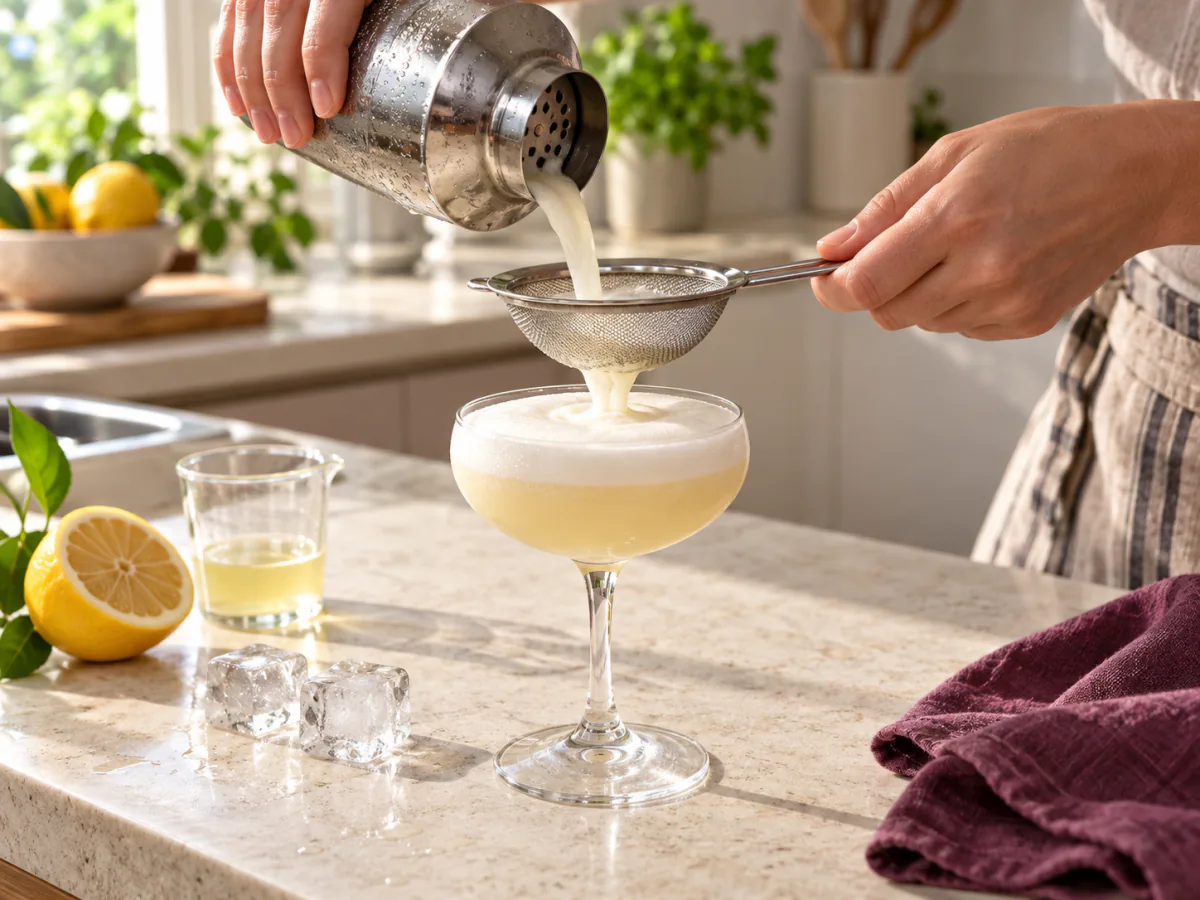
To begin
Using egg white in a mocktail might be surprising, but the technique has a long history in bars. In a sour-style drink, shaking adds body and a cap of foam. Egg white is first a texture tool; the rest comes down to the recipe and food safety.
The practical decision is simple: if the drink is served without cooking, choose the right egg product and tell guests about the allergen.
From flips to modern sours
Egg drinks have a long history, from early flips to the fizzes and sours that made vigorous shaking part of bar technique. Jerry Thomas's 1862 guide, How to Mix Drinks, helped codify recipes using egg to change texture. This historical detail does not remove food-safety requirements. A few drops of bitters can add colour or aroma, but check the label when the drink needs to be alcohol-free.
Foam, texture and balance in the glass
Egg white is mainly water and protein, with little fat. When shaken, its proteins help trap air and form foam. This change in texture is what makes it useful in a mocktail, far more than the nutritional contribution of a small amount.
The sensation differs from a simply mixed juice: smooth foam settles on top, the mouthfeel becomes fuller and the drink gains a contrast between liquid and a silky cap. That tactile richness can recall a cappuccino, in a cold, citrus-led setting.
In a sour-style mocktail, egg white accompanies the balance between the initial hit of lemon and the syrup's sweetness. It can soften the perception of acidity and bitterness. Taste the lemon-and-syrup balance first: an overly sweet or acidic drink needs a recipe adjustment.
The foamy surface also offers a place for decoration. A few drops of bitters or coloured syrup can make a pattern. Check the bitters' ABV if the drink is intended to remain alcohol-free. Decoration should serve flavour as well as appearance.
The double shake, step by step
The double shake separates two actions: developing foam, then chilling the drink. For an uncooked preparation, start with egg white that is pasteurised or treated to destroy Salmonella, suitable for this use and stored according to its label.
- Measure the ingredients. A 15 ml serving of pasteurised egg white can be a starting point for one drink. Adjust to the recipe and product; this is not a universal dose.
- Start without ice. Close the shaker and shake the ingredients for about 10 to 15 seconds. This dry shake incorporates air and starts building foam.
- Add ice and shake again. The second shake cools and dilutes the mixture. Dilution is part of the final balance: consider acidity and sweetness in the served drink, rather than only in the mixture before shaking.
- Strain and serve. Hold back ice fragments and pour carefully to produce a cold liquid topped with foam. Finish with the planned garnish.
Too much egg white can make the texture heavy or affect flavour; too little produces a subtler result. Adjust one variable at a time, then compare drinks under the same conditions. Judge foam by its fineness and mouthfeel as well as its height.
Shaking and chilling do not pasteurise an egg. Shaking time is a culinary technique. Product choice, handwashing, clean equipment and storage underpin the food-safety measures below.
Raw egg is a real food-safety question
Fresh shell eggs can contain Salmonella. The FDA advises using eggs or egg products treated to destroy Salmonella when a recipe is served raw or undercooked. USDA guidance gives similar advice for raw preparations.
Pasteurisation substantially reduces the relevant pathogen risk. For an uncooked drink, use a liquid or dried egg product labelled pasteurised or treated to destroy Salmonella. Store it according to its label, clean the shaker and utensils, and respect use-by instructions. Children, older adults, pregnant people and people with weakened immune systems are more vulnerable to severe foodborne illness; raw, unpasteurised egg white is a poor choice for them.
Egg is a major food allergen under US FDA labelling rules. Check the rules that apply in your country as well. Tell guests and do not present a drink containing egg white as allergen-free.
The egg-free route: aquafaba and other textures
Aquafaba is the cooking liquid from chickpeas, often taken from a tin. It can be shaken into foam and offers a plant-based option when avoiding egg. Texture and flavour depend on the liquid and the recipe.
As a culinary starting point, try 30 ml of aquafaba, equivalent to 3 cl, then adjust. This volume does not automatically replace egg white millilitre for millilitre. Compare foam fineness, stability and the balance of the served drink. Follow storage instructions after opening and keep equipment clean.
Egg-free does not mean allergen-free. Chickpeas are legumes; packaged products may also contain other ingredients or cross-contact information. Choose commercial foaming products using their labels and your guests' needs. Powdered egg white remains an egg product, even when pasteurised.
Pineapple juice can produce a different foam, while xanthan gum or agar mainly change texture according to how they are used. These ingredients do not all produce the same result. Start with the effect you want—a sour-style foam, more body or a particular presentation—then test the appropriate ingredient.
Egg white earns its place in a mocktail through texture: a dry shake, a cold shake and a soft foam. The safety rule is equally clear: for an uncooked drink, use a properly pasteurised and handled egg product, declare the allergen and avoid raw, unpasteurised egg white for vulnerable guests.
Aquafaba and other foaming ingredients widen the creative options, but each has its own label and allergen profile. Product choice and preparation precautions matter as much as the quality of the foam.