The Power of Alcohol-Free
Alcohol and brain health: what non-alcoholic drinks can—and cannot—change

By Anthony
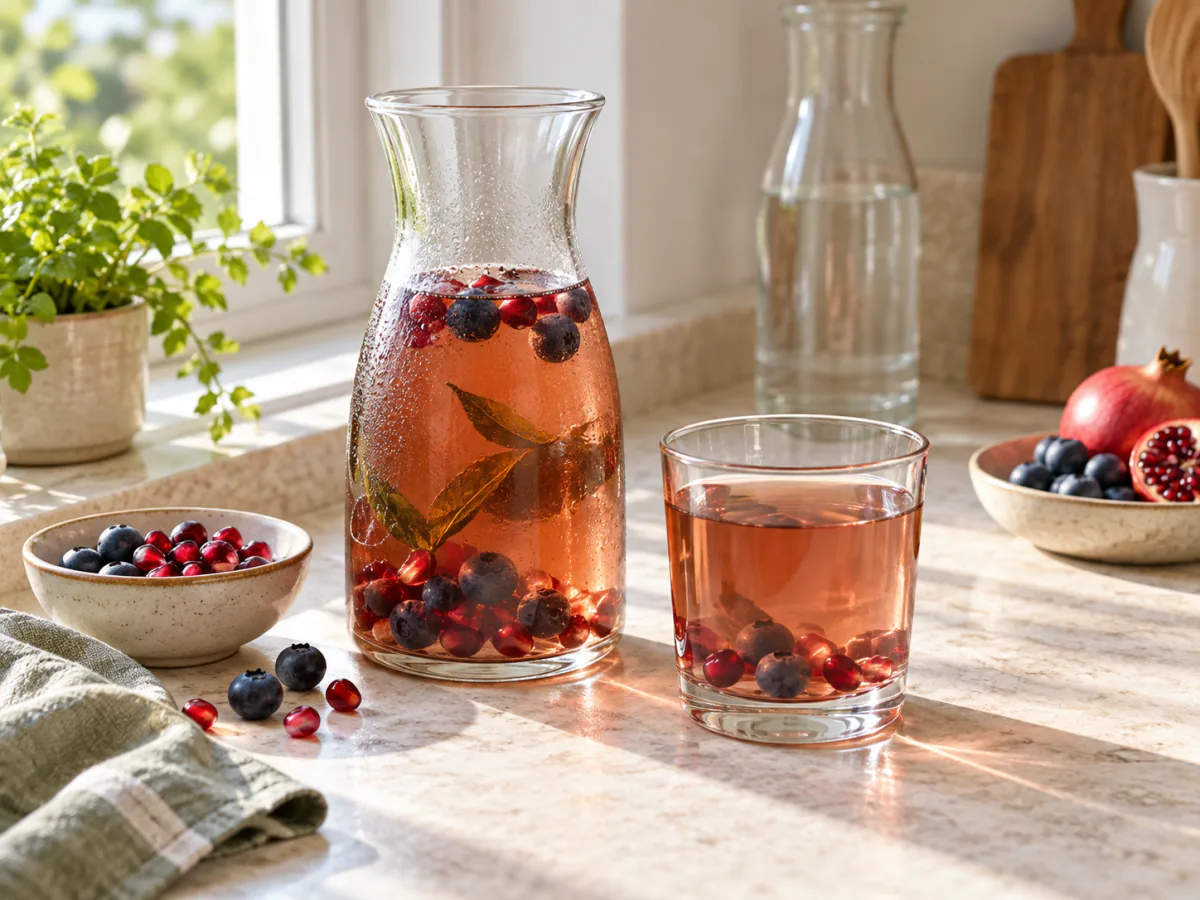
To begin
Changing alcohol habits can protect the brain in ways that are easier to defend than a promise about one “super drink”. A large French hospital-record study found a strong association between alcohol-use disorders and dementia, including early-onset dementia. It did not prove that every dementia case is caused by alcohol, and it did not test non-alcoholic beverages as a treatment.
Alcohol-free drinks can be useful substitutes because they generally contain little or no ethanol when labelled and formulated that way; residual alcohol depends on the product and jurisdiction. They cannot be presented as a proven way to prevent Alzheimer’s disease. The evidence supports reducing harmful alcohol exposure, staying active and addressing recognised risk factors; it does not support selling a drink as a guaranteed cognitive shield.
What the French study actually found
A large hospital-record association
The Lancet study (the original article PDF) included 31,624,156 adults aged 20 and over discharged from hospitals in metropolitan France between 2008 and 2013. It identified 1,109,343 people with dementia, including 57,353 with early-onset dementia. Alcohol-related brain damage and other alcohol-use-disorder diagnoses were strongly associated with dementia: the reported hazard ratios for alcohol-use disorders were about 3.34 in women and 3.36 in men after adjustment.
This is an important signal, but it is not a laboratory proof that alcohol alone caused each dementia case. Hospital coding captures severe conditions and diagnoses that reach hospital care; it can miss people treated elsewhere and cannot fully measure lifetime exposure, diet, smoking, education or other confounders. “Associated with dementia” is the accurate claim.
It was not an Alzheimer’s-specific prevention trial
The study covered dementia diagnoses rather than proving a mechanism for Alzheimer’s disease in every participant. It did not compare a non-alcoholic beer, kombucha or mocktail with alcohol in a randomised trial, and it did not show that choosing one beverage prevents plaques, protects memory or reverses brain ageing.
The 2024 Lancet Commission update lists excessive alcohol among potentially modifiable dementia-risk factors and discusses risk reduction. That is a population prevention framework, not a beverage prescription or a guarantee that light drinking is protective.
What alcohol can do to the brain
Alcohol acts on several neurotransmitter systems. In the short term it can impair attention, reaction time, coordination, judgement and memory formation; higher exposure can cause blackouts, loss of consciousness and life-threatening respiratory depression. Repeated heavy use can contribute to nutritional deficiency, withdrawal, seizures and alcohol-related brain damage. Individual effects vary with dose, speed, medicines, body, food and tolerance.
The useful conclusion is about ethanol exposure: reducing heavy drinking or stopping can reduce the risk of these acute and chronic harms, but it cannot erase injuries or risks already incurred. It is not necessary to claim that “parts of the brain switch off” or that one alcoholic drink directly causes Alzheimer’s disease in every person.
What non-alcoholic drinks can change
An alcohol-free beer, wine or mocktail can help replace a drinking ritual, reduce ethanol exposure and make a social choice easier. Hydration and ordinary nutrition matter to general wellbeing. Polyphenols, vitamins or antioxidants in a product may be interesting nutritional features, but a laboratory antioxidant effect does not equal prevention of a neurodegenerative disease.
No clinical trial establishes that a specific alcohol-free drink prevents Alzheimer’s. A product may also contain sugar, calories, caffeine or other ingredients, and “alcohol-free” labelling rules vary. Read the label and treat the drink as a substitution tool, not a medicine.
Fermented drinks need a label check
Kombucha is fermented. The US Alcohol and Tobacco Tax and Trade Bureau guidance notes that continued fermentation can raise alcohol content after bottling and that products reaching 0.5% alcohol by volume are regulated as alcoholic beverages in the United States. This is a labelling and product-composition point, not a claim about dementia; anyone avoiding alcohol should check the product’s current label and storage instructions.
Reducing alcohol safely
If drinking is occasional, replacing some alcoholic drinks with water or an alcohol-free drink can reduce exposure. If someone drinks heavily every day, stopping suddenly can cause dangerous withdrawal. Tremor, sweating, agitation, hallucinations, confusion or seizures require urgent medical care; planned reduction may need a clinician or addiction service.
Brain health also includes blood-pressure control, movement, sleep, hearing and vision care, social connection and treatment of depression or diabetes. These measures are supported as risk-management steps; no drink can substitute for them. Explore alcohol-free options and the broader alcohol-health context as practical starting points, while keeping the claim proportionate to the evidence.
Alcohol-use disorders are associated with dementia in a very large French hospital-record study, including early-onset dementia. That finding supports reducing harmful exposure, but it does not prove that every case is alcohol-caused or that a particular alcohol-free beverage prevents Alzheimer’s.
Alcohol-free drinks can make substitution easier and reduce ethanol exposure when their label supports a low- or no-alcohol claim. They are choices, not treatments. For heavy daily drinking, seek medical advice before stopping abruptly; sustainable brain-health gains come from reducing alcohol and addressing the wider, recognised risk factors.