The Power of Alcohol-Free
Relaxation and energy: alcohol-free drinks make their wellness pitch

By Anthony
To begin
A drink to unwind after work; another to perk you up during the day. So-called functional drinks also appeal to how we want to feel. TRIP, NOOUI, Brite and GIMBER put that idea into ready-to-drink cans containing botanicals, magnesium, caffeine or vitamin C. Here is what goes into them, where they might fit into our routines and what to look for when choosing one.
Recipes that promise a different way to feel
A functional drink highlights a specific ingredient and a desired benefit: relaxing, staying alert, or supporting a bodily function. That idea takes very different forms. A botanical blend might accompany pre-dinner drinks, while a caffeinated drink is pitched as a coffee replacement. To understand this category, it helps to start with what is actually inside the products.
TRIP: magnesium in a can for your next break
TRIP markets its "Mindful Blend" range as a drink designed to help you find a sense of calm. The Cucumber Mint variety offered on Amazon France combines sparkling water; grape, apple, and cucumber juices; magnesium citrate; botanical extracts; and L-theanine. The French product page specifically lists lion’s mane (a mushroom), ashwagandha, lemon balm, and chamomile. The page lists 120 mg of magnesium per 250 ml can.
This is a ready-to-drink beverage—served chilled or over ice—with a flavour reminiscent of cucumber and mint cocktails. It works as a drink for a break or a get-together. Magnesium and botanicals are central to the brand’s relaxation message.
NOOUI: yuzu and botanicals for pre-dinner drinks
NOOUI positions itself as an alternative to alcohol and traditional sodas. Its 330 ml yuzu-flavoured can combines passionflower, lemon balm, ginger, ginseng, reishi, and lion’s mane. The brand talks about relaxation and feeling mentally lighter, describing the relaxing effect as subtle.
Yuzu gives this product a distinctive flavour profile. It is aimed above all at get-togethers: pre-dinner drinks, a meal or an evening with friends. The drinking experience feels familiar, while the botanical extracts offer an added reason to choose this recipe.
Brite: caffeine and L-theanine as a coffee alternative
Brite targets energy and focus. The brand lists 100 mg of caffeine and 100 mg of L-theanine per 330 ml can. Its Raspberry Mint recipe contains fruit juices, extracts of green tea, green coffee, and guarana, as well as matcha.
This is a drink for a different moment: when you would usually reach for a coffee. Caffeine is a stimulant; while its plant-based origin is part of the brand's story, the amount you drink still matters when managing your caffeine intake.
GIMBER: ginger with a wellness message
GIMBER Immunity captures the kick of ginger in a sparkling 250 ml can, featuring raspberry and mountain tea. Its official product details also highlight acerola—a source of vitamin C—and link the recipe to immune system function.
This fourth example shows another way functional drinks make their pitch: a soft drink can offer a vitamin as well as a flavour. In this case, ginger and raspberry offer a reason to choose it for pre-dinner drinks.
Four drinks to try
These products illustrate the approaches described earlier: magnesium, herbal blends, caffeine, or vitamin C. The cards below show each drink and its pack size. Explore the product pages for buying options where available. Our selection is based on declared ingredients and how the brands market their drinks.

Serve chilled for a break or an aperitif. Formulated with magnesium, botanical extracts, and L-theanine.
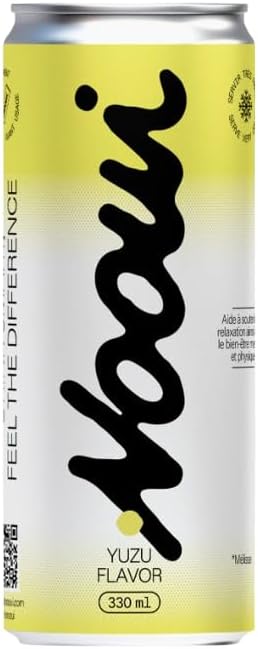
A sparkling yuzu drink for aperitif hour, featuring passionflower, lemon balm, ginseng, and mushroom extracts.

A fruity alternative to coffee, containing caffeine and L-theanine. Factor this into your total caffeine intake.

Ginger, raspberry, and mountain tea in a ready-to-drink can. Enjoy the spicy kick of ginger as an aperitif.
Why look for a functional effect in your drink?
Non-alcoholic beer offers a way to enjoy a familiar taste and ritual while moderating consumption. Functional drinks tap into a different desire: choosing a product for the sensation its ingredients are intended to provide. The two can come together in the same glass.
A survey published by IWSR in January 2026 highlights this difference in purchasing motivations. For non-alcoholic beer, wine, or spirit substitutes, choosing a healthy lifestyle is cited more frequently. Among buyers of "alcohol-adjacent" beverages—a category that includes certain functional drinks—20% cite curiosity, while 17% mention seeking effects similar to those of alcohol through specific ingredients. The survey was conducted in August 2025 across ten countries, including France, involving 7,973 individuals of legal drinking age, 4,181 of whom were purchasers of no- or low-alcohol beverages.
This explains why some brands focus as much on the occasion as on the recipe—whether it’s winding down after work, starting the day, or meeting up with friends. They offer a drink tailored to a specific need or moment.
What is known about the desired effect
The stimulating effect of caffeine is well-documented: the European Food Safety Authority states that, in moderate doses, it increases alertness and reduces drowsiness. With a drink like Brite, the caffeine content therefore has a practical consequence. Consider the total amount consumed throughout the day—including coffee and tea—and be mindful of the timing, as caffeine can disrupt sleep.
To assess a herbal blend’s relaxation claims, look at the whole formulation. Ask what effect was studied, which preparation was used and at what dose. For TRIP, the magnesium content per can is stated. For NOOUI, the highlighted ingredients are identified, though you may need to look up the extract quantities if the claimed effect is the reason for your purchase.
In the European Union, the European Commission register lists authorised health claims and their conditions of use. Certain applications concerning botanical substances are still awaiting a decision and do not appear in this register. For each product, assessing the promise means checking the precise effect claimed and the amount present in a serving.
Formulas also change. The French product sheet for TRIP Cucumber Mint consulted for this article lists ashwagandha and L-theanine; however, the brand now features different recipes on its UK website. The label on the can you receive lists the actual ingredients of the product you are about to drink. The French product sheet advises pregnant or breastfeeding women to consult a doctor.
If alcohol content is important to your choice, check the label on the specific product, including any "0.0%" indication. In France, the term "alcohol-free beer" can refer to a beer with an alcohol content of up to 1.2% ABV. Alcohol content and functional ingredients answer different needs.
Functional drinks broaden the alcohol-free range with formulations aimed at different moments. A magnesium drink suggests a break; a yuzu and botanical blend joins pre-dinner drinks; a caffeinated drink steps in for the coffee break. Ingredients, taste and occasion all help shape the offer.
Start with what you would enjoy drinking. Mint, citrus or the bite of ginger already give you a way to compare products. If relaxation or energy is the main attraction, check how much of the relevant ingredient is present and what results have been found with that preparation. The flavour may bring you back; the promised effect calls for a clear explanation.