Zero Pulse
Alcohol-free spirits: cocktails win fans, bottles face a tougher test

By Anthony
To begin
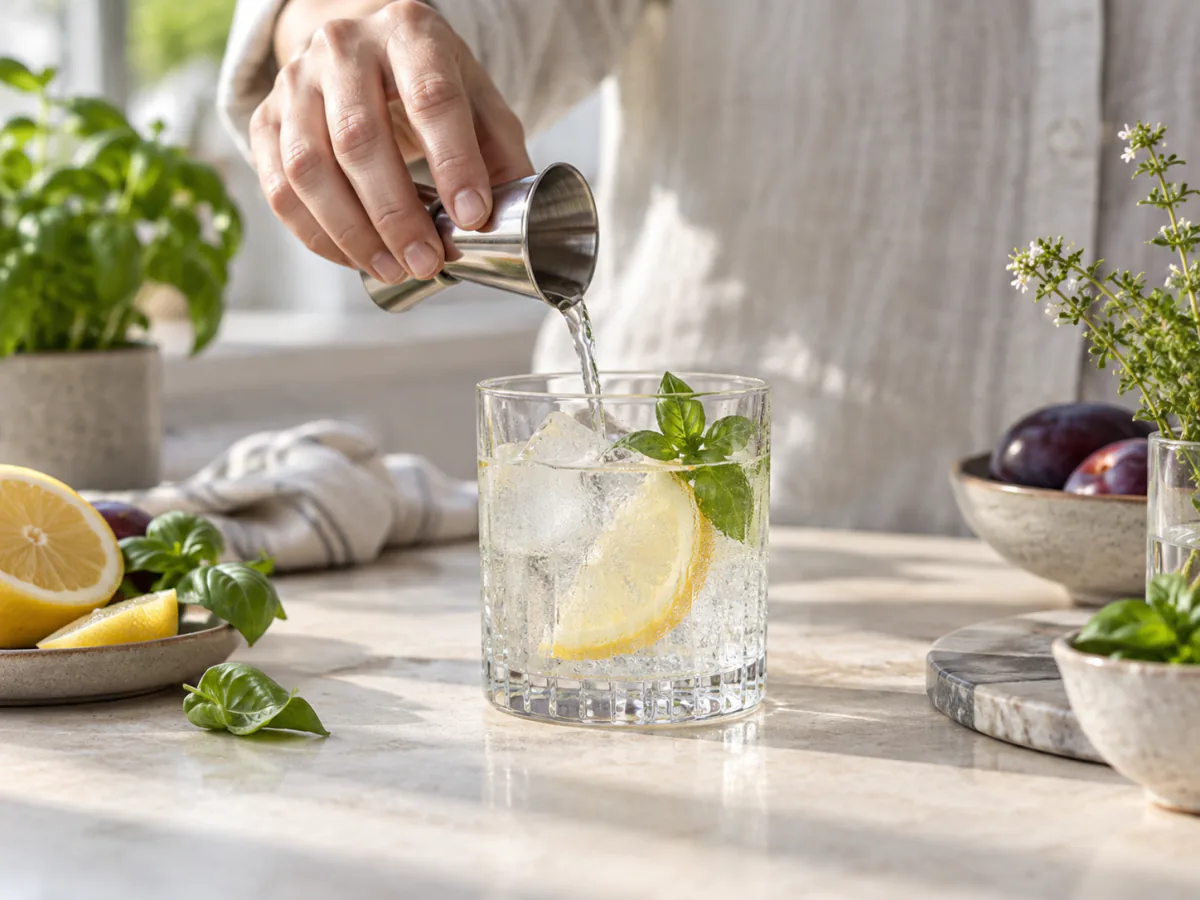
Lemon, basil, syrup and sparkling water: a Virgin Basil Smash needs no gin alternative. Yet it has everything you might want in a cocktail worth ordering again. That is where the challenge begins for an alcohol-free spirit. What does it add to a recipe that can already do without it?
The cocktail finds its place before the bottle
In the FranceAgriMer study of No/Low products, conducted in 2025 among 1,111 French respondents, “No” cocktails recorded 24% penetration, compared with 5% for “No” spirits. “No” beer reached 32%. The cocktail has attracted more interest than the bottle sometimes used to make it.
That makes sense at the bar: you choose a recipe, not a shopping list. At home, the question changes. Lemon and basil can be enough for a good drink; a bitter or spicy base, on the other hand, may bring something that store-cupboard staples cannot.
In an analysis published in August 2026, NielsenIQ (NIQ) reported that 51% of the British consumers surveyed had tried an alcohol-free cocktail and would have one again. Only 13% had tried one without wanting to repeat the experience. There is an appetite for the cocktail. That does not guarantee an appetite for every bottle that goes into it.
Ordering is easy; flavour does the rest
In this survey of 1,000 spirits consumers in Great Britain, 72% felt comfortable ordering an alcohol-free spirit. Some 62% considered the choice satisfactory, but 54% liked the taste. Curiosity gets people to order; taste has to bring them back for a second drink.
A delicate botanical base can disappear behind a very bitter tonic. Another can add depth to a recipe that would otherwise taste much like lemonade. The label may evoke gin or rum; in the glass, the product needs a flavour of its own and a clear place among the other ingredients.
“What does it add?”
Among respondents who did not yet drink alcohol-free spirits, 34% did not see what these products added to a drink. Almost as many, 35%, preferred conventional soft drinks. And 22% considered them poor value for money. Their objection comes down to one question: why pay for this bottle if another ingredient does the job just as well?
A ready-to-serve drink avoids the need to buy tonic, juice or syrup as well. A mixing base gives you more freedom, but requires a recipe and the right measure. Its price cannot be judged from the label alone: how many drinks can you make, what else do you need, and does the result make you want to do it again? A small measure that transforms the mix can justify the purchase. A bottle that vanishes behind lemon and ice is much harder to justify.
The clearest test is still the same cocktail made with and without the base. If the bitterness, texture or finish changes, the bottle has a role. If the difference disappears in the mix, you might as well keep the recipe without it.
A menu can make you want to try a drink. What is in the glass makes you want to order it again: a flavour you would like to return to, at a price you are willing to pay.