Zero Pulse
Alcohol-free wines enter the US market: Maison Chavin’s example

By Anthony
To begin
Maison Chavin, based in Béziers, has established itself as an undisputed leader in non-alcoholic wine in France. Since its founding in 2010 by Mathilde Boulachin, the company has successfully combined traditional expertise with innovation to offer high-quality non-alcoholic wines that meet evolving consumer expectations. With products distributed in no fewer than 65 countries, Maison Chavin is now preparing to take on a new challenge: conquering the US market.
An ambitious expansion strategy
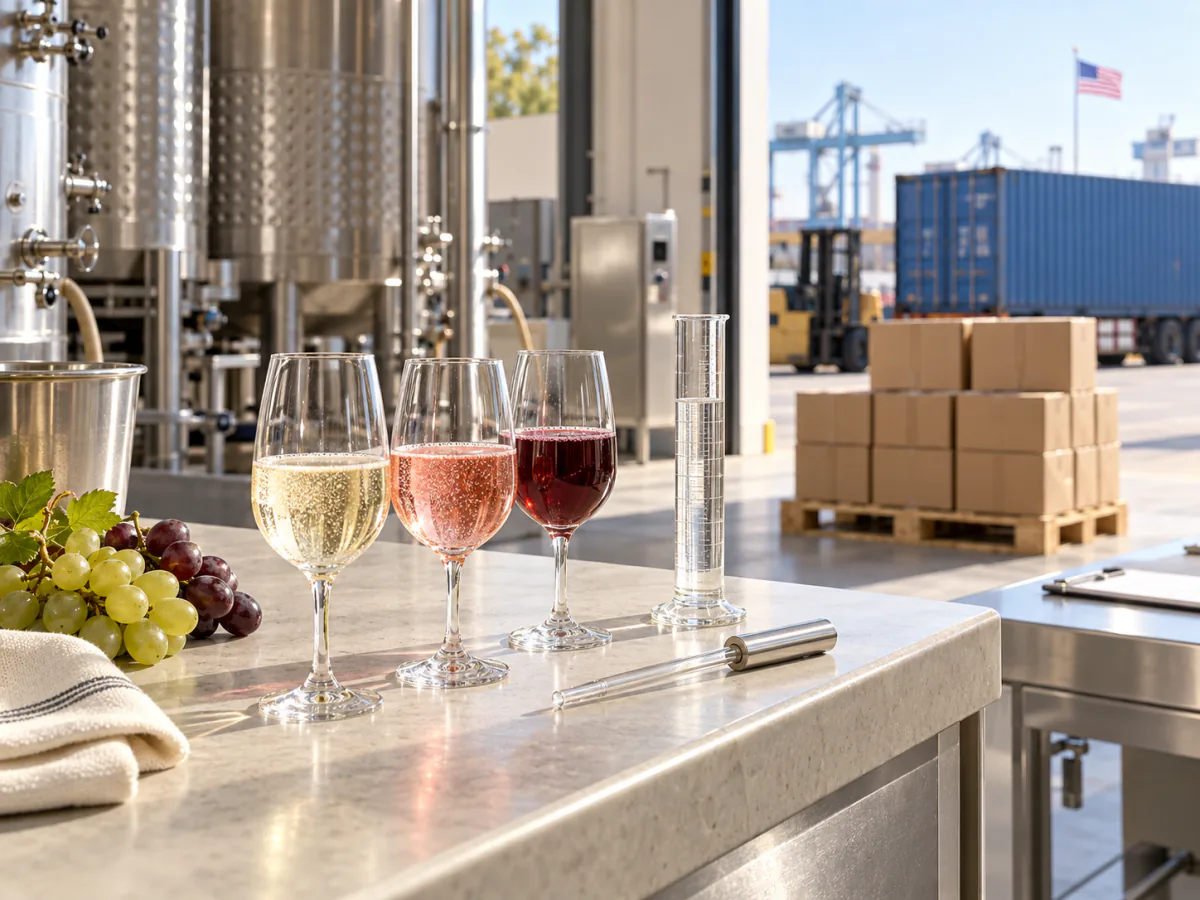
To establish a foothold in the United States, Chavin has formed a strategic partnership with Kobrand Corporation, a major wine distributor across the Atlantic. This partnership aims to position the brand in a market that remains relatively untapped for non-alcoholic wine. Mathilde Boulachin, Chavin’s founder, aims to sell 3 million bottles in the region by 2025. The success of this venture relies on a diverse product range—including sparkling and still white wines such as Chardonnay and Sauvignon Blanc, as well as rosés and reds—designed to meet the demands of American consumers seeking refinement without the alcohol.
A rapidly evolving US market
The US wine market, traditionally dominated by alcoholic beverages, is undergoing a transformation. According to data from Wine Market Council, wine consumption in the United States has shown signs of stagnation, particularly among young adults of Generations Y and Z, who are more health-conscious and more inclined to reduce their alcohol intake. This trend is part of a broader context of rising demand for non-alcoholic beverages. The non-alcoholic beverage market in the United States is expanding rapidly. In 2023, this segment was valued at approximately $10 billion, with annual growth of nearly 20%. More specifically, the market for non-alcoholic wine, though more modest, is following a similar trajectory. According to a study by IWSR, sales of non-alcoholic wine in the United States have seen double-digit growth in recent years —a trend expected to continue as more consumers seek low-alcohol or completely alcohol-free alternatives.
Challenges and opportunities for Maison Chavin
Establishing a presence in the US market will not be without challenges for Maison Chavin. Beyond the administrative formalities and regulatory requirements associated with wine importation, the brand will also need to adapt to the specific characteristics of the local market, particularly regarding taste preferences and purchasing behaviours. However, the partnership with Kobrand Corporation—which possesses deep knowledge of the US market—should facilitate this transition. Furthermore, Chavin plans to launch a major marketing campaign to introduce its products to American consumers. This campaign, set to begin in autumn, will aim to position Chavin wines as ideal choices for the holiday season and for "Dry January", a month when many Americans commit to not consuming alcohol.
Products in this article


Maison Chavin’s expansion into the US market illustrates the company's international vision; it already generates 90% of its revenue abroad. Building on its global success, Chavin reaffirms its status as a pioneer in the non-alcoholic wine sector. While the current focus is clearly international, this momentum could eventually benefit the French market as well, where demand for non-alcoholic alternatives is also rising rapidly. Leveraging its expertise and innovations, Maison Chavin could strengthen its position in France by capitalizing on the strong momentum generated by its successes overseas.