Zero Pulse
From chocolate to alcohol: should we be wary of all our little indulgences?

By Anthony
To begin
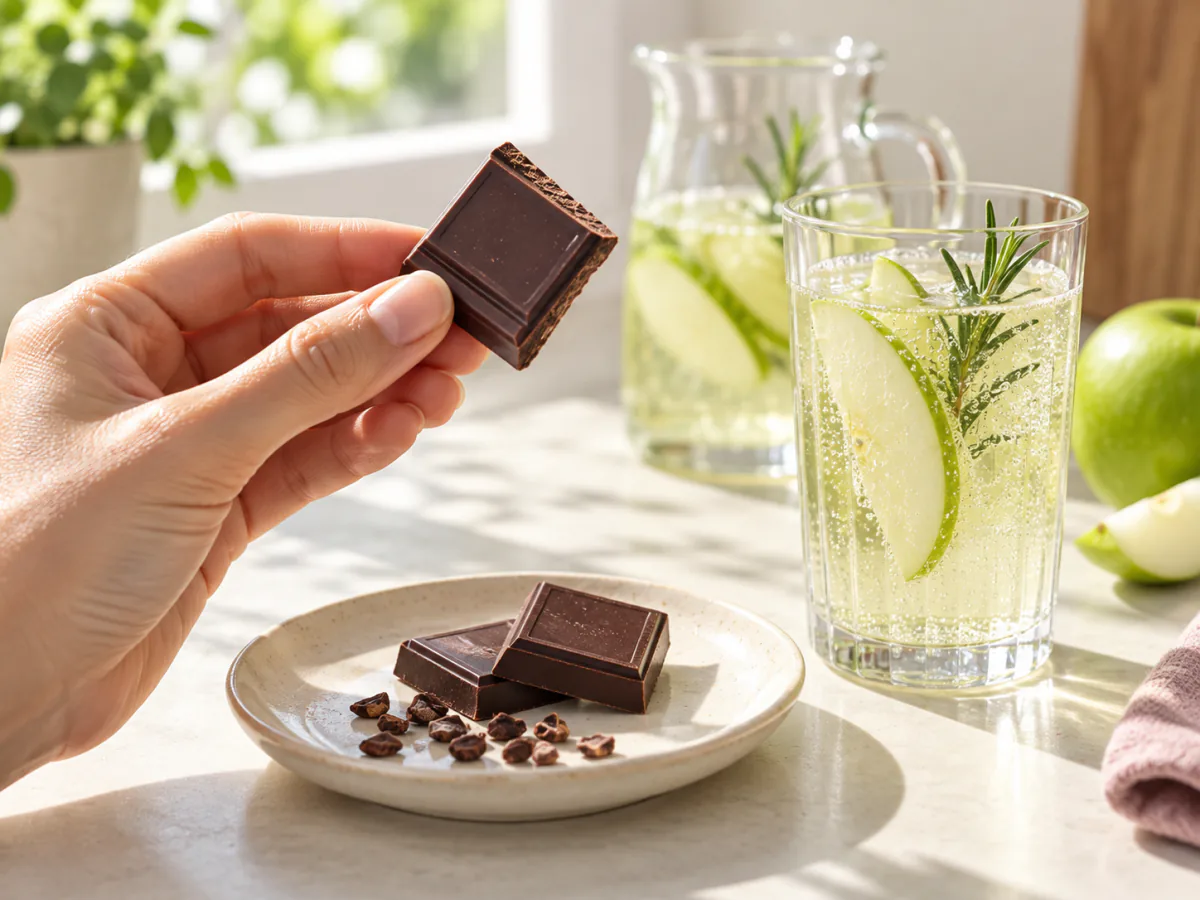
Chocolate—a universal symbol of comfort—is going through a rough patch. Recent analyses have revealed the presence of cadmium—a toxic heavy metal—in certain chocolate bars. Although levels largely remain within European regulatory limits, the news is unsettling. It serves as a stark reminder that even our most comforting treats can harbour invisible risks.
Chocolate and cadmium: an alert that shakes up an icon
Cocoa, the key ingredient in chocolate, is naturally exposed to cadmium when grown in volcanic soils rich in heavy metals, particularly in Latin America. Some bars—especially those with high cocoa content or organic certification —show levels above the average. Since 2019, the European Union has set specific limits (0.8 mg/kg for high-cocoa dark chocolate, 0.3 mg/kg for milk chocolate), yet recent analyses indicate that the margin for error is sometimes slim.
The concern stems less from exceeding standards than from cumulative exposure. After all, cadmium is not found solely in chocolate: it is present in bread, potatoes, and certain vegetables. When these sources are added up, the tolerable daily intake can be reached—particularly in children. For a product as iconic as chocolate, this reality is deeply unsettling.
Treats that aren't always so sweet
The contaminated chocolate scandal is merely the latest addition to a long list of food safety alerts. Wines often contain sulphites, traditional cocktails are linked to alcohol and its associated health risks, sodas conceal massive amounts of sugar, some snacks are packed with additives of questionable transparency, and even decaffeinated coffee—supposedly a gentler alternative—sometimes contains chemical solvents used during the decaffeination process.
These products, which we consume for pleasure or conviviality, often turn out to have hidden downsides. Chocolate is just one example, but it illustrates a shift in perception: our little indulgences—once enjoyed without a second thought —are now scrutinised, analysed, and sometimes called into question. This constant vigilance may seem burdensome, but it reflects a new consumer demand: knowing what one is consuming and taking ownership of one's choices based on informed awareness.
Shaken trust, heightened vigilance
Each new health alert further erodes consumer confidence. Cadmium-tainted chocolate, overly sugary sodas, wines containing sulphites, or decaf coffee produced via opaque processes—these are all signals reminding us that pleasure is never entirely neutral. This realisation does not necessarily lead to fear, but rather to heightened vigilance.
In this context, transparency is becoming a core value. Consumers want to know where ingredients come from, how they are processed, and what they actually contain. The days of buying without asking questions seem to be over. The enjoyment remains, but it is now accompanied by a need for greater control over what they consume.
Non-alcoholic drinks: a pleasure you can control
In a landscape where mistrust is growing, non-alcoholic drinks are establishing themselves as a reassuring alternative. A homemade mocktail, for instance, relies on simple ingredients: fruit juice, fresh herbs, spices, and sparkling water. No sulphites, no chemical solvents, no heavy metals from distant soils. Just a blend you control from start to finish.
This transparency holds growing appeal: individuals can choose the quality of their products, adjust sugar levels, and verify origins. Beyond the absence of alcohol, it represents a way to reclaim enjoyment within a safe space. While some traditional indulgences may harbour hidden downsides, mocktails offer a sociable, indulgent experience—free from any lingering concerns.
Cadmium in chocolate may not spell the end for our favourite bars, but it embodies a broader trend: a shift towards more conscious and discerning consumption. Rather than banning things outright, the goal is to learn how to choose, moderate, and diversify. A responsibly sourced square of chocolate remains a legitimate pleasure—just like a carefully decaffeinated coffee or the occasional glass of wine. Yet, these repeated warnings also remind us that there are other ways to savour life’s pleasures—without compromise or concern. Mocktails and non-alcoholic drinks are a perfect example of this: a modern, controlled, and transparent indulgence. In a world where trust is hard to come by, they offer a simple, joyful answer: enjoying yourself without a second thought.