Zero Pulse
"Liquid orthorexia": the pitfalls and illusions of blood glucose monitors

By Anthony
To begin
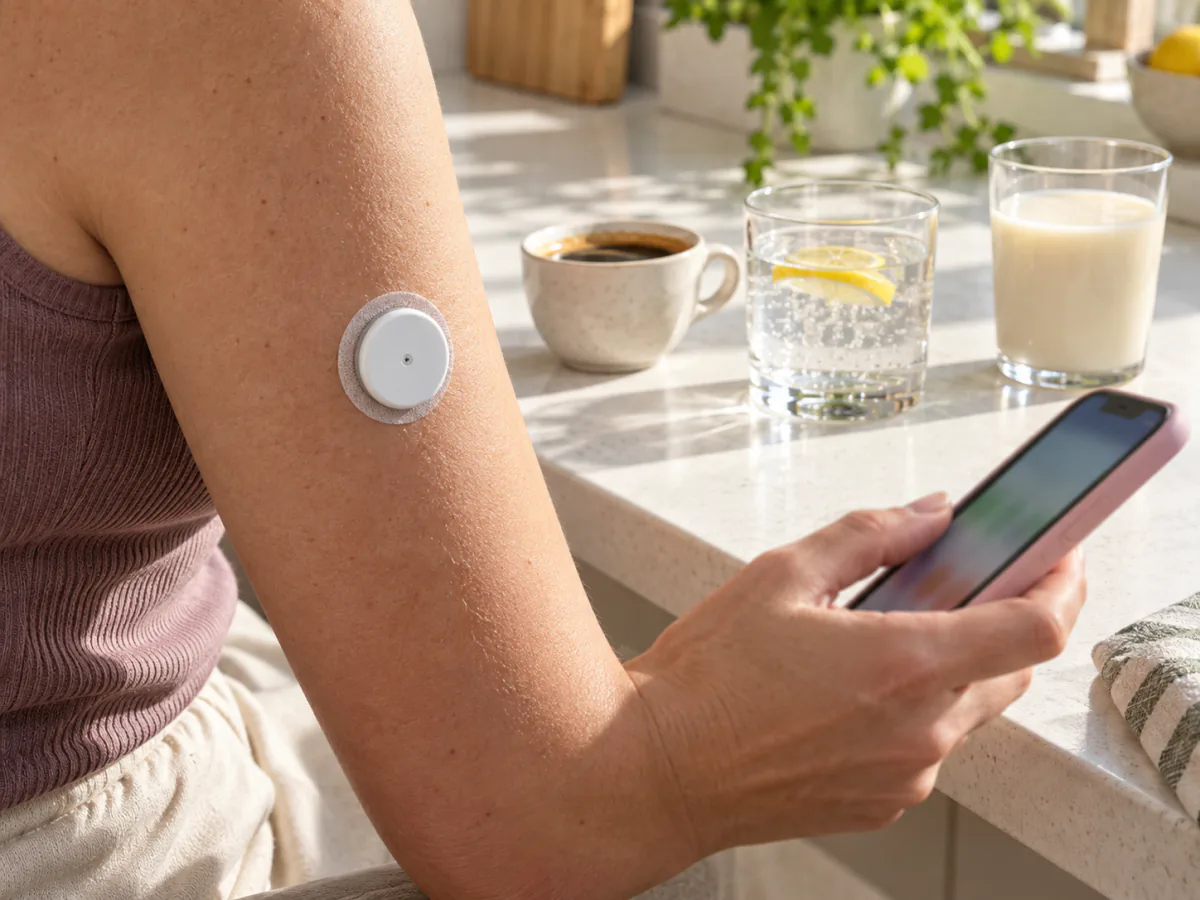
A glass of wine, a morning coffee, a can of cola: on social media, each can become a curve on a glucose monitor. The display makes everyday choices feel measurable, sometimes down to the sip. But using a medical device to rank drinks changes the question: are we learning something useful about our habits, or treating a brief reading as a verdict on our health?
Alcohol under the blood sugar microscope
Mojitos, beer, whiskey, wine: each has its own blood sugar signature
Drinks can produce different glucose responses, depending on their carbohydrate content, portion size and what else is consumed. Beer and sugary mixers may raise glucose; spirits served without mixers often contain little carbohydrate. A flat trace after a spirit or dry wine says nothing about alcohol’s wider effects. A video of one person drinking one serving cannot establish a universal ranking of “safe” drinks.
The hidden paradox of delayed hypoglycemia
Alcohol can interfere with the liver’s release of glucose, creating a risk of low blood sugar later on. Diabetes UK highlights this particularly for people using insulin or sulphonylureas, with risk potentially lasting up to 24 hours. Drinking heavily or on an empty stomach increases that risk. The practical point is to follow an individual diabetes care plan, rather than use a quiet trace as permission to drink more. A glucose spike followed by a crash is not an inevitable sequence for everyone.
Putting coffee and hot drinks to the test
Coffee, sleep and the limits of the graph
A glucose graph cannot explain every afternoon slump. Caffeine can affect sleep and anxiety, and people differ in how sensitive they are to it and how quickly they eliminate it. The FDA’s caffeine guidance encourages people to consider the amount they consume, medicines and individual symptoms. A fixed rule about delaying the first coffee, or a guaranteed 3 p.m. crash, cannot be inferred from a sensor video.
Comparing what goes into the cup
An oat drink, cow’s milk and an unsweetened plant drink may have different carbohydrate, protein and fat contents. Compare the actual labels and the volume poured into the coffee. “Unsweetened” and “plant-based” alone do not predict an individual glucose response. The useful comparison starts with the product and portion, rather than a blanket verdict on an entire category.
A brief response and a long-term association answer different questions
A systematic review of acute caffeine experiments found reduced insulin sensitivity in the short term in healthy participants. That experimental result concerns a specific exposure and timescale. It does not tell us whether a daily coffee habit causes or prevents diabetes. Nor does a short sensor trace settle that question: interpreting a drink’s long-term health effects requires evidence beyond a single response.
The immediate blood sugar shock from sodas and sugary drinks
Liquid sugar laid bare
The amount of sugar in a drink is worth checking before interpreting the graph. For example, Coca-Cola Original Taste in Great Britain lists 10.6 g sugar per 100 ml: 500 ml therefore contains 53 g. Recipes and bottle sizes vary by market. That is a label-based calculation, not a prediction of the exact rise a particular person will see after drinking it.
The "diet" soda paradox
A sugar-free soda and a sugary soda have different compositions, and a short glucose response does not establish their long-term effects. In 2023, the WHO conditionally recommended against using non-sugar sweeteners for weight control or prevention of noncommunicable diseases. Its guidance excludes people with pre-existing diabetes and is not a toxicological assessment of individual sweeteners. WHO notes possible confounding in observational associations, so those findings do not establish that diet sodas cause diabetes.
"TikTok drinks"
Viral drinks make an eye-catching subject for before-and-after curves. Our Cherry Evening Spritz is a supplement-free recipe made with cherry juice, lemon juice and sparkling water, with optional salt. It should be presented as a drink to enjoy, with no claim to improve sleep or control glucose. It is distinct from supplement-containing recipes circulated under the “Sleepy Girl” name.
Influencers and the "Glucose Goddess"
A French biochemist turned global star
Jessie Inchauspé, known as Glucose Goddess, is a recognisable example of glucose-focused lifestyle content. Her public material uses food and drink demonstrations to make the topic accessible. A named influencer makes the trend easy to follow, but audience size is not a measure of whether a particular health claim has been tested. Each recommendation still needs to be judged on the research supporting it.
Between popularisation and oversimplification
A graph is a persuasive storytelling device: it puts an apparent result next to an everyday choice. That presentation can blur the distinction between an observation and a recommendation. To assess a “hack”, ask what was measured, in whom, under what conditions and against what comparison. Personalities and striking visuals should not carry a health claim that the underlying research cannot support. No clinical judgement about an individual influencer follows from that distinction.
From curiosity to excessive control
The expression “liquid orthorexia” is used here as an editorial description of an excessive search for the “perfect” drink, not as a formal diagnosis or a proven consequence of wearing a sensor. NEDA describes orthorexia as a fixation on supposedly healthy eating that can damage wellbeing, while noting that it is not formally recognised in DSM-5-TR. When tracking starts to bring fear, guilt or restrictive habits, that distress merits attention from a qualified professional.
The business of avoiding glucose spikes
Brands are riding the "glucose-friendly" wave
A phrase such as “glucose-friendly” can sound like a clear buying guide. For the reader, the useful questions are more concrete: which product was tested, what portion was used, and does the evidence support the exact claim? A demonstration or a smooth-looking trace is easy to share. Assessing the value of a drink also means considering its ingredients, taste, price and place in the overall diet.
An educational tool... but with limitations
A continuous glucose monitor reads glucose in interstitial fluid around cells; it does not directly sample blood. Diabetes UK explains that readings can lag behind blood glucose and that evidence for use in people without diabetes remains limited. Such devices cannot diagnose diabetes or prediabetes. For people who use them as part of diabetes care, they serve a different purpose, alongside a plan agreed with a healthcare team. Lifestyle content should keep that distinction visible.
A social divide to watch
A subscription or replacement sensor is a recurring purchase. Its cost depends on the device, provider, country and any medical reimbursement; there is no single international monthly price. Before paying for lifestyle tracking, ask what decision the information would help you make. Reading labels, comparing serving sizes and discussing a concern with a healthcare professional may address the question without turning every drink into another measurement task.
A glucose trace can be useful in diabetes care and compelling on a phone screen. Those settings call for different decisions. For everyday drinks, compare ingredients and serving sizes, enjoy the flavours you choose, and bring health concerns to a qualified professional. A quieter graph is no reason to overlook alcohol’s other effects or to turn eating and drinking into a constant test.