Zero Pulse
Sober parties are finding their place in nightlife

By Anthony
To begin
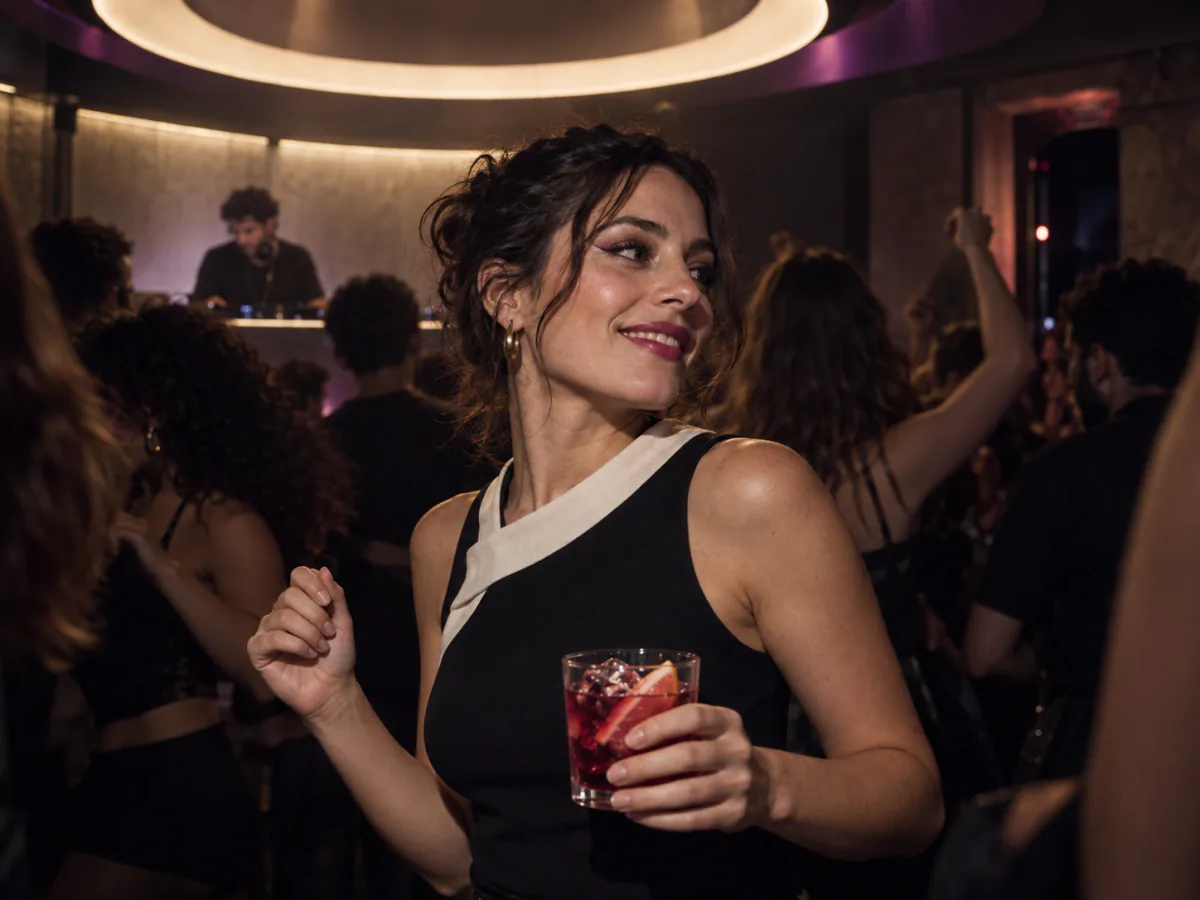
On 6 December 2025, Paris’s Badaboum listed Sober Club, hosted by Maxime Musqua with Nick V and dancers, from 7 p.m. to 11 p.m. The venue’s programme and its event listing describe an alcohol-free approach to clubbing. They establish the date, format and advertised intention—not an attendance total or a guarantee about everyone’s experience.
The idea is interesting in its own right: retain the music, lights and dance floor while taking alcohol out of the event. It offers a choice to people who want the social experience of going out without drinking. That is a change in the offer, rather than proof that conventional nightlife has disappeared.
A different relationship with the dance floor
Nightlife has never meant exactly the same thing to everyone. Some people go out for the music or to see friends; others associate it with drinking and letting go. A sober event changes one part of that arrangement without requiring a different taste in music or a new identity.
This helps explain its appeal. Someone may want a night out without the effects of alcohol, an earlier finish or a setting where turning down a drink requires no explanation. These are possible motivations, not a description of an entire generation. Preferences vary, and one event cannot speak for an entire generation.
The cultural question is still worth asking: can staying clear-headed become part of the pleasure, rather than a restriction imposed on it? A dance floor can provide one way to explore that question.
What the French examples actually show
Badaboum’s December 2025 Sober Club is a documented example of a venue programming an alcohol-free format. Its announced 7 p.m.–11 p.m. slot also illustrates that this can be an early-evening event rather than an all-night replacement. The listing does not establish that it was the first sober party anywhere in France or that it sold out.
Déjà Bu? presents its Paris bar as an alcohol-free venue serving cocktails, wines and other adult drinks. This supports the existence of a dedicated offer, without demonstrating a national market share or a universal shift in how Parisians socialise.
Drink producers such as Sober Spirits belong to that commercial landscape. Alcohol-free spirits offer another approach to flavour, alongside events and venues. For someone making drinks at home, mocktail recipes and a Virgin Basil Smash offer another way to explore flavours without tying the occasion to a spirits measure.
Other event names and anecdotes require the same discipline. An announced format can be described as an organiser’s offer. Claims about a packed room, audience numbers, financial success or a therapeutic atmosphere need separate evidence.
The morning-party idea has a history
The format predates the Paris event. Daybreaker’s own history dates its first New York gathering to December 2013 and describes its events as alcohol- and substance-free. It also describes a multigenerational community. This is an organiser’s account of its own history and positioning, not proof that every city or age group has adopted the model.
The contrast with a conventional late night is part of the appeal: music and movement can be scheduled around a different rhythm. But not every event starts at 6 a.m., and a morning timetable does not itself establish a measurable health benefit. The choice of morning drink rituals remains separate from evidence about the effects of a particular ingredient.
Safety is an aim, not an automatic consequence
Removing alcohol changes what the organiser serves. It does not, by itself, guarantee a space free from harassment, aggression or unwanted attention. Consent, staff responses, clear rules and ways to report concerns remain part of running an event.
A women-only party, an inclusive dance event and a strictly alcohol-free party are also different formats. They should not be merged into one category simply because their organisers use the language of comfort or safety. A venue’s promise to create a welcoming atmosphere is a statement of intent, not an independently measured result.
For the customer, the useful questions are practical: what is the event’s policy, what is actually served, when does it finish and how can a concern be raised? A label such as clean or sober cannot answer all of those questions.
A business model that still has to work
There is no universal price for a night out, a gin and tonic or the ingredients in a mojito. Profitability depends on ticket prices, staffing, venue costs, recipes and sales volumes; the absence of alcohol alone does not establish a business model.
The business questions remain real. Ticket revenue, drink sales, staffing, security, rent and the use of the room all affect viability. An early slot might help a particular venue use its space differently, but the evidence here does not show that most clubs use that strategy or that it reliably offsets their fixed costs.
Nor can nightclub closures automatically be attributed to sobriety or a dating app. Economic pressures, licensing, location and changing habits are different possible influences. A rate of closures needs a place and period; it should not be presented as an undated fact about the whole nightlife industry.
Another option, rather than a new obligation
The strongest case for sober partying is the option it adds. People may want a dedicated alcohol-free event, alternate between different kinds of nights out or decide according to the occasion. That flexibility does not require describing a night of heavy drinking as the counterpart of a sober one.
As Drinkaware explains, zebra striping means alternating alcoholic and non-alcoholic drinks within an occasion; it does not mean alternating heavy-drinking nights with sober nights, and it does not make alcohol consumption risk-free. Here the simpler point is enough: an event can make choosing not to drink socially straightforward.
What sober parties will become depends on whether people return, whether the atmosphere works and whether organisers can sustain the format. The documented examples show that the offer exists. They do not settle its scale or declare the end of the traditional club.
Sources
Sober events change the terms of a night out without needing to reject the dance floor. Their appeal can lie in music, company and the freedom to choose an alcohol-free setting.
That is a credible addition to nightlife. It is not yet proof of a universal generational revolution, guaranteed safety or a settled business model. The most useful measure of success will be whether people want to come back—and whether the promise made on the ticket is met in the room.