Zero Pulse
Non-alcoholic beer: The flavor begins in the tank

By Anthony
To begin
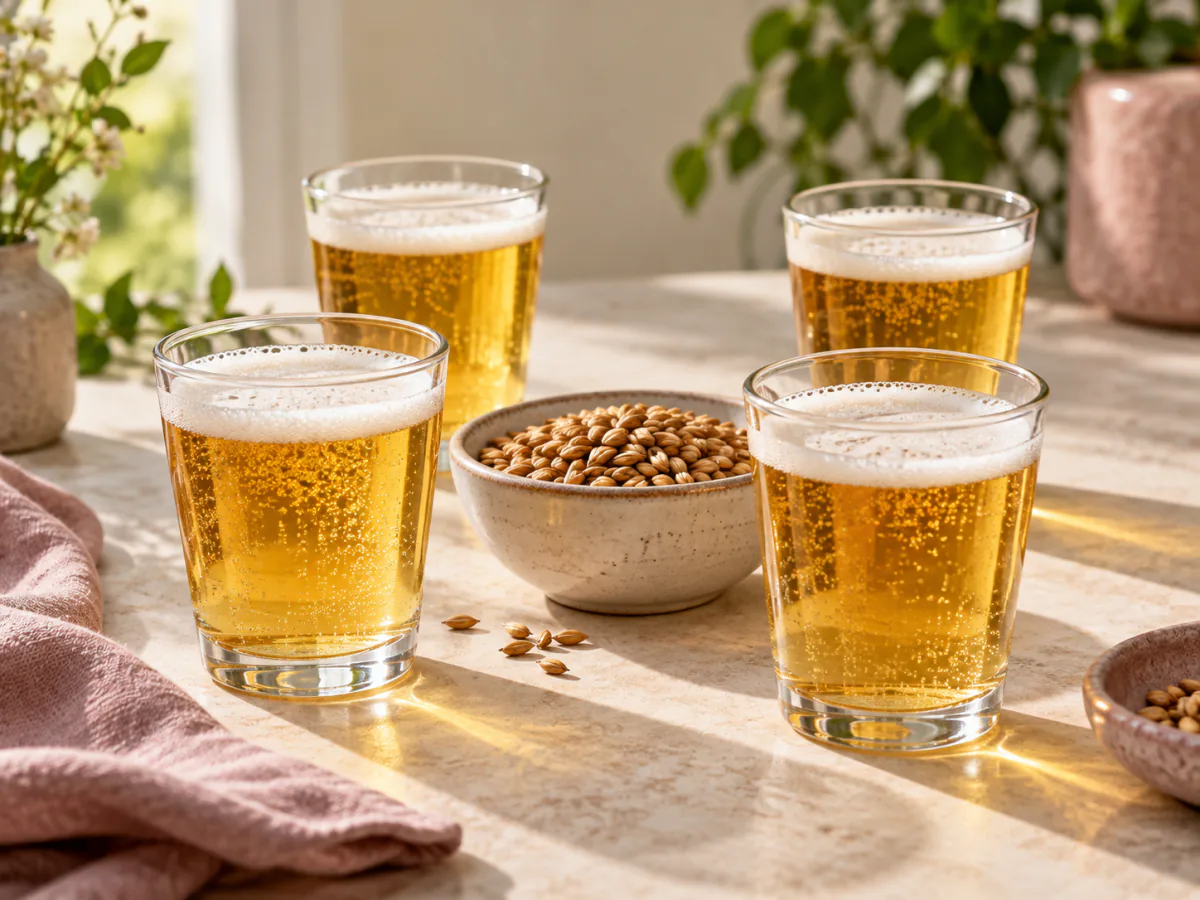
Imagine two glasses served side by side: one beer that reminds you of grains, another where the fruit and hops stand out the most. Both are labeled “non-alcoholic.” Yet you would have gladly reached for the second one and left the first on the table. The difference deserves more than just a shrug at the label: flavor is also shaped by how the beer is fermented or how the alcohol is removed. Understanding these choices lets you explore the shelf more fully—and finally look for something other than just an acceptable version of the beer you used to love.
The brewery decides what to produce, then what to keep
To produce a non-alcoholic beer, brewers have two main options: limiting alcohol during fermentation or removing it from a beer that has already fermented. In the first approach, the wort—the liquid base produced during brewing—is processed. In the second, the alcohol is separated from the rest of the beverage.
The review by José Piornos and his colleagues, published in 2023, explains a key challenge: fermentation also creates aromas. Certain esters contribute to fruity notes; aldehydes contribute to the malty character and the taste of wort. By modifying the yeast’s activity or separating the alcohol, we therefore affect several aspects of the flavor.
This is a good reason to pay attention to the brewing method when it’s specified by the manufacturer. For your next purchase, note it down just as you would note the style: it provides a reference point for your exploration. A beer you enjoy then becomes a specific starting point. You can try another recipe, compare your impressions, and then return to your favorite with a clearer idea of what appeals to you: fruitiness, a drier mouthfeel, a lingering bitterness, or a pronounced graininess.
Four Methods, Four Ways to Shape the Flavor
The terms on a brewery’s product sheet may seem technical. Their logic is summarized in this table:
Scroll the table to read all columns.
| Method | What the brewery does | The aromatic goal |
|---|---|---|
| Limited fermentation | It shortens or limits fermentation activity. | Develop flavor with less extensive fermentation. |
| Special yeast | The brewery selects a yeast strain that utilizes the sugars in the wort differently. | Produce aromas while forming minimal alcohol. |
| Thermal dealcoholization | The brewery removes alcohol through a heat-based process, typically under vacuum. | Preserve volatile aromas during separation. |
| Reverse osmosis | She passes the beer under pressure through a membrane. | Separate the alcohol while minimizing the loss of aromatic compounds. |
With limited fermentation, certain characteristics of the wort may remain more pronounced. A yeast strain chosen for its low alcohol production opens up another avenue: its aromatic activity becomes part of the recipe. Physical processes, on the other hand, build on the flavor developed during fermentation and focus on preserving it. These mechanisms are detailed in Piornos’s review.
When tasting, keep one simple question in mind: Does this beer have depth and balance to your taste? An enticing aroma may make you want to taste it; the sip must then hold its own. You might enjoy a fruity nose followed by a subtle finish. Your neighbor might prefer a maltier beer that pairs well with a meal without demanding all of their attention. It is these expectations that the brewing process must ultimately satisfy. A successful recipe gives you a reason to order the same beer next time.
From a Common Base, Yeast and the Membrane Shape Different Profiles
A study by Sönke Kienitz and his colleagues, published in Food Chemistry in March 2026, compares these four processes using the same wort and starter cultures of the lager and wheat beer types. The team analyzed 50 selected aromatic compounds and supplemented this comparison with sensory tests.
Two profiles stand out: beers produced with Saccharomyces chevalieri yeast contain more esters and 4-vinylguaiacol; those obtained via reverse osmosis contain more hop-derived compounds. Sensory tests confirm these differences. The brewing method does indeed contribute to the beer’s character.
For your palate, the value of this finding lies in reopening the realm of possibilities. After a disappointing bottle, try another style, another recipe, or a different brewing approach. The shelf offers different technical choices all backed by the same promise of low alcohol content.
However, this experiment compares aromatic profiles— not a ranking of favorite beers. To choose a brand, you’ll need to taste the finished product. That’s where your taste and the brewery’s recipe come together: the process helps you understand; the bottle makes you want to come back—or keep exploring.
The beer you love might divide the table
The bitterness that delights you might make someone else grimace. A round, malty beer, enjoyable at the table for one person, seems too sweet to another. Make these preferences the focus of your choice: “very aromatic” is just a description; “I’d gladly have another” is already a personal verdict.
A study by Imogen Ramsey and her colleagues, published in 2021, examined 18 commercially available non-alcoholic lagers. Eleven were then evaluated by 104 consumers. The team identified five preference groups, including those who prefer hoppy profiles and others drawn to malty, sweet characteristics. These trends observed in this sample highlight the diversity of tastes.
The practical takeaway: choose based on your craving and the occasion. As an aperitif, you might look for a beer whose aroma and bitterness hold their own in conversation. With a meal, ask yourself whether you want to enhance the flavors of the dish or opt for a more subtle beverage. These are suggestions to try, depending on your palate.
If you’re hosting, offering two contrasting styles can be more interesting than a case of a single beer chosen for its prestige. First, ask your guests what they like: a light beer, fruity notes, malt, or pronounced bitterness? You’ll already have a better guide than a medal printed on the packaging.
Two bottles, two glasses: make a comparison that works for you
For your next tasting, choose two beers of the same style. Comparing a lager to an IPA can be fun, but comparing two lagers better answers a specific question: which one should you choose for lunch or an aperitif? Serve them at a similar temperature, in two identical glasses. If someone can cover the bottles, take the opportunity to set the brands aside and avoid letting them influence your first impression.
Start by smelling. Jot down the first word that comes to mind: grain, fruit, flower, hops, or simply a rather nondescript aroma. Then take a sip and see what changes: sweetness, acidity, bitterness, a light or fuller mouthfeel. After swallowing, note the finish. Do you want to take another sip? That question matters more than a competition-style vocabulary list.
You can keep a very short tasting note:
Scroll the table to read all columns.
| Category | Your Rating |
|---|---|
| Initial Nose | The aroma that appeals to you or puts you off |
| Sip | The balance between sweetness, acidity, and bitterness |
| Finish | What lingers and whether you want to have another |
| Occasion | Aperitif, meal, or other intended use |
| Next Purchase | Buy again, try it differently, or skip it |
Take another small sip from each glass, then make your choice before looking at the labels. Next, identify what you’ve purchased: style, ingredients, production method (if specified), price, and volume. Compare the price per liter if the bottle sizes differ. This guideline prevents a small bottle from seeming cheap simply because it’s small.
Finally, note the reason for your choice. “More expensive, but a finish I like” helps you decide next time. “Nice can” usually refers to your first purchase. Your notes can fit in two lines on a phone: a reference, an occasion, and what made you want to finish the drink.
A good non-alcoholic beer makes you want to drink it again because of its taste. The yeast, the temperature, or the membrane account for part of the experience; your next glass will help you decide. Choose two varieties, compare them, and then buy the one whose last sip you enjoyed.