Zero Pulse
Passing vineyards on to the next generation: a threat to alcohol-free wine too?

By Anthony
To begin
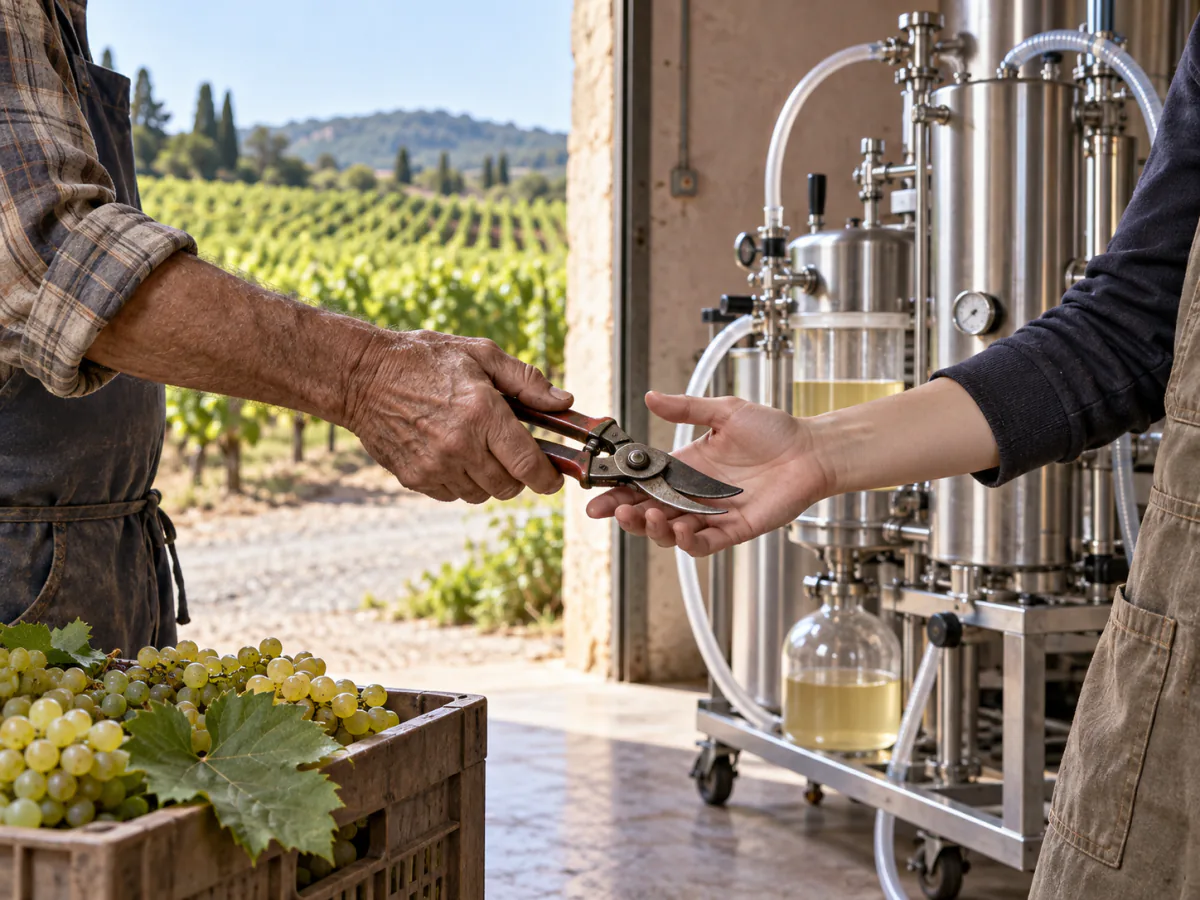
French winemakers are currently facing a silent yet profound crisis, exacerbated by the heavy tax burden on land transfers. With vineyard prices reaching record highs—particularly in prestigious regions like Burgundy and Champagne—the new generation of winegrowers faces exorbitant costs to take over family estates. This situation not only jeopardizes the transmission of local expertise but also threatens wine diversity, including non-alcoholic wines, leaving the land at the mercy of large investors, often foreign ones.
A heritage adrift: the stifling burden of inheritance taxes
Today, in regions like Champagne, the price of a hectare of vineyard land hovers around one million euros. If a child wishes to take over the family business, they must pay €150,000 in inheritance tax to the State. This colossal sum—impossible for most young winemakers to shoulder—forces them to take on decades of debt, thereby compromising their ability to invest in the estate and innovate, for instance by turning to dealcoholised wines.
This situation creates a genuine vicious circle: young people can no longer take over the estates and are forced to sell them. As a result, these estates pass into the hands of major corporations or financial investors who, thanks to their capacity to inject significant capital, have no trouble acquiring them. Groups like LVMH and other foreign investors buy up plots at exorbitant prices, gradually transforming the French wine landscape into a playground for financial powerhouses.
A missed opportunity for non-alcoholic wines?
Yet, the rise of non-alcoholic wines offers a genuine opportunity for winemakers to diversify. In France, the non-alcoholic market has seen annual growth of 10% in recent years, particularly in the dealcoholised wine segment.
These products require investment in technology and marketing to stand out in a competitive market. However, due to the enormous tax burden weighing on—among other things—the transfer of ownership, family winemakers, stifled by debt, are simply unable to seize this opportunity.
The possibility of reforming the tax system —specifically by extending the "Dutreil Pact" to agricultural land—could enable family estates to pass on their land more easily without the new generation being crippled by exorbitant financial burdens. In exchange for a commitment to retain the land for 15 years, this pact would allow young winemakers to reinvest in their operations, including in innovations such as non-alcoholic wines.
The arrival of foreign investors: a threat to the terroir
There is a very real risk that tax pressure will drive vineyards into the hands of major investors, often from abroad.
Recent sales in Burgundy demonstrate just how willing major financial groups—particularly foreign ones—are to pay astronomical sums to acquire vineyard land. These acquisitions often take place at the expense of local families, who cannot compete with such financial powerhouses.
According to a 2021 study, approximately 5% of French vineyard land is now owned by foreign investors —a figure that continues to rise, particularly in the most prestigious appellations such as Bordeaux and Burgundy.
These foreign acquisitions raise concerns regarding the loss of sovereignty over French terroirs. Indeed, although vineyards cannot be "relocated," these investors often seek to maximise profitability at the expense of product quality and identity. This could directly impact emerging segments like non-alcoholic wines, which risk becoming standardised mass-market products lacking the artisanal character that defines the reputation of French wines.
Echoes in numerous regions
The situation facing French winemakers is not an isolated case. Other agricultural regions in France face similar issues, where real estate speculation and financial pressure are strangling family farms.
1 - Île de Ré
Farmers on this island are battling immense real estate pressure, with agricultural land prices driven up by tourism appeal and the demand for holiday homes. Passing on farms is becoming almost impossible, forcing families to sell their land to outside investors.
2 - Provence
In this region, olive and lavender growers are also facing rising land prices, largely due to the area's appeal to tourists. An increasing amount of farmland is being purchased by foreigners, jeopardizing the region's agricultural identity.
3 - The Basque Country
Livestock farmers and cheese producers are also under pressure. Rising land prices —linked to an influx of second-home owners and investors —make it difficult to pass farms on to younger generations, thereby threatening the preservation of local expertise.
4 - Brittany
Cider and oyster producers are also feeling the effects of land speculation. Here too, young farmers are finding it increasingly difficult to take over family farms, which are instead being acquired by investors who often have no connection to agriculture.
Current taxation on vineyard inheritance acts as a major barrier to the transfer of family-owned vineyards and, by extension, to innovation in sectors such as non-alcoholic wines. If no action is taken, France risks losing a significant portion of its agricultural heritage to large financial groups and foreign investors. Attracted by the profitability of wine and the prestige associated with it, these investors could standardise production, thereby eroding the authenticity of French terroirs.
Extending the Dutreil Pact to agricultural land would provide a breath of fresh air for family winemakers, allowing them to focus on developing new products—such as non-alcoholic wines—while preserving the heritage and artisanal quality of French vineyards. However, without swift and appropriate tax reform, the French wine landscape could be radically transformed, jeopardizing not only centuries of tradition but also the future of non-alcoholic wine, a rapidly growing sector.