Zero Pulse
The truth behind Neo-Prohibition: revolution or manipulation? 🥂

By Anthony
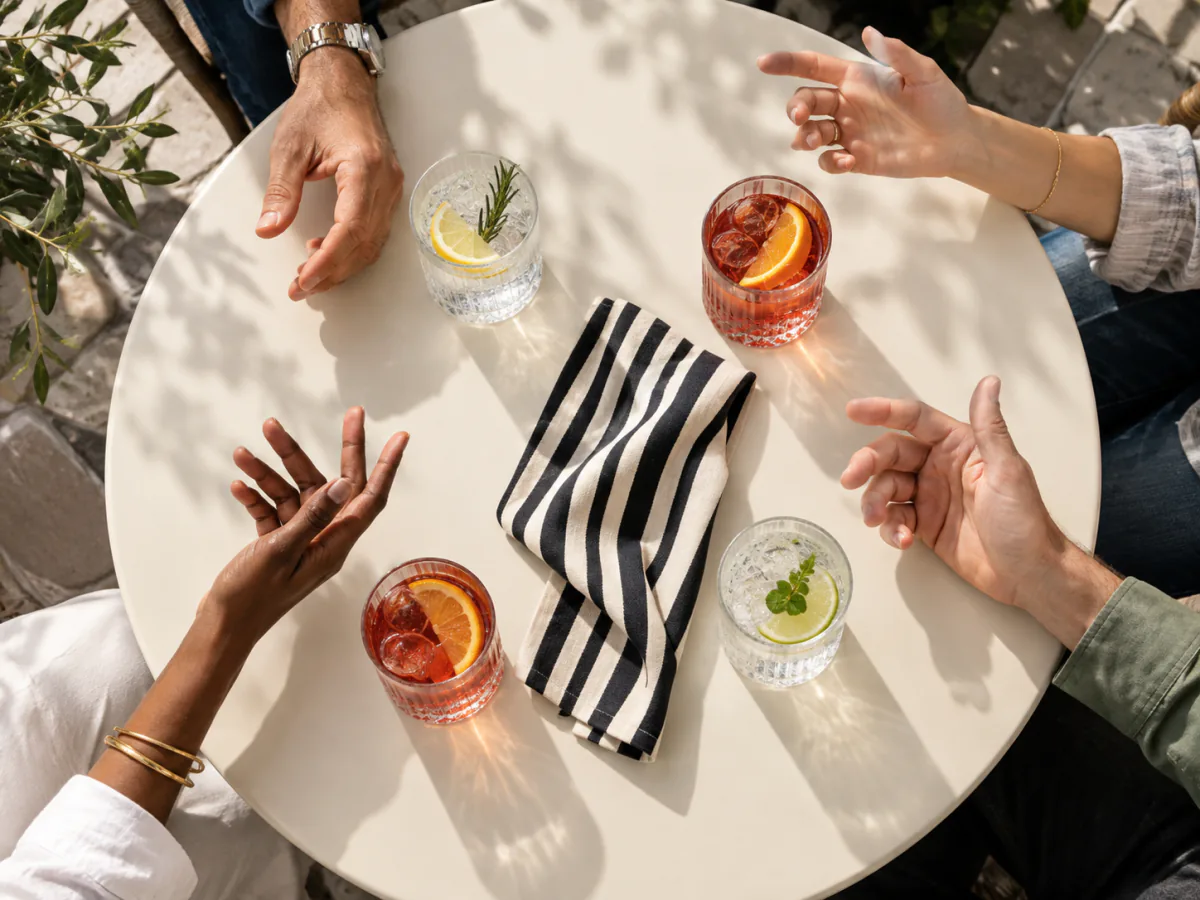
To begin
The rise of alcohol-free lifestyles and 0.0% alternatives is sparking unprecedented enthusiasm. This movement, often termed "neo-prohibition," goes far beyond a simple choice of sobriety: it represents a reconfiguration of social norms surrounding consumption. Straddling the line between a personal quest for well-being and collective pressure to adopt more responsible behaviours, this trend raises profound questions. Are we witnessing a cultural revolution that values moderation and mindful enjoyment, or a new form of moralising disguised in modern attire?
What is Neo-Prohibition?
Definition and origins
Neo-prohibition is a societal trend characterised by a gradual rejection of alcohol in favour of more moderate or entirely alcohol-free consumption habits. Unlike the Prohibition of the 1920s, which was imposed by restrictive laws, neo-prohibition is based on individual choices influenced by modern values such as well-being, sustainability, and inclusivity.
The origins of this trend include:
- evolving societal expectations, alongside a collective awareness of the harmful effects of alcohol on physical and mental health;
- the rise of alcohol-free alternatives, with increasingly sophisticated 0.0% beverages;
- Social media also plays a role: platforms such as Instagram and TikTok highlight "healthy" lifestyles and sometimes promote a form of celebratory sobriety.
Neo-prohibition is therefore not a constraint imposed by society, but rather a cultural dynamic fuelled by the desire for a more balanced and fulfilling life.
The drivers of neo-prohibition
The rise of neo-prohibition is rooted in a profound shift in societal values. Increasingly, individuals are adopting a mindful approach to their lifestyle, where mental and physical well-being take precedence over excess. This redefinition of personal priorities is accompanied by a quest for authenticity, in which consumer choices become a way to affirm one's values —whether environmental, social, or ethical. This shift reflects an aspiration for a more balanced and meaningful lifestyle.
At the same time, sobriety is emerging as an enlightened and inclusive norm. Supported by awareness campaigns and media initiatives, it reflects a desire to include everyone in social gatherings, regardless of their consumption preferences. Practices such as "zebra-striping"—which involves alternating between alcoholic and non-alcoholic drinks—are redefining social interactions and fostering conscious moderation rather than forced abstinence.
The ecological crisis and a drive for sustainability are also reinforcing this movement. Consumers want products that not only respect the environment but also support local and ethical practices. Alcohol-free alternatives, often perceived as having a lower environmental impact, perfectly meet this dual demand for individual and collective responsibility.
A cultural revolution or a moralising trend?
The "neo-prohibition" phenomenon is sparking intense debate: is it a genuine cultural revolution driven by an individual quest for meaning and well-being, or a new form of moralising imposed by society and brands?
On one hand, neo-prohibition appears to be a positive cultural shift. By prioritising moderation, it encourages us to rethink our social rituals and refocus interactions on conviviality, free from any reliance on alcohol. This approach champions a form of "celebratory sobriety" where everyone can participate fully without feeling excluded. Consumer testimonials speak of a sense of liberation: that of no longer giving in to social pressure to drink.
However, some point to a latent risk of moralising. The excessive promotion of non-alcoholic products could create reverse pressure, where abstinence becomes the implicit norm for social acceptance. On closer inspection, this is precisely what happened with another movement: "wokeism." This shift could risk stigmatizing choices involving alcohol and curtailing individual freedom. Furthermore, some brands—driven by commercial opportunities, or in other words, the lure of profit —might exploit this trend superficially, straying from the sincere values it claims to embody.
Thus, the "neo-prohibition" movement stands at a crossroads: an opportunity to redefine our social interactions and consumption habits, or a potential driver of social conformity. The key lies in the ability of brands and industry players to promote this transition authentically, while respecting the diversity of choices. In this regard, "zebra-striping" might well be the right approach!
What should brands and market players do to avoid undermining themselves?
Seize the opportunity—yes—but not just any way!
Market players have a unique opportunity to innovate within the non-alcoholic beverage sector. It is not just about creating products, but about enriching the overall consumer experience. This could involve initiatives such as organising educational tastings or creating pop-up bars dedicated to mocktails, or even the promotion of immersive and inclusive events.
Maintaining an authentic approach
To avoid veering into moralising that might be perceived as restrictive, it is essential to maintain sincere communication. Brands must promote moderation without making those who still consume alcohol feel guilty. Total transparency regarding their values and commitments (sustainability, inclusion) is also crucial for building loyalty among an increasingly demanding customer base.
Neo-prohibition reflects a profound cultural shift driven by a quest for meaning, well-being, and responsibility. It offers an inclusive and innovative alternative to traditional consumption habits. However, to avoid becoming a rigid, moralistic norm, it must remain centred on freedom of choice. By acting as facilitators rather than enforcers, brands and companies can support this movement and turn it into a genuine cultural revolution.