Zero Pulse
The wine world in decline: a slowdown shakes the industry

By Anthony
To begin
The global wine industry is currently experiencing a significant slowdown, marked by both a drop in production in major wine-growing regions—such as France, Italy, and Australia—and a decline in consumption. This decline, observed in recent years, raises questions about the underlying causes and future implications for the sector.
Declining production: the causes of the slowdown
Climate change: the silent enemy
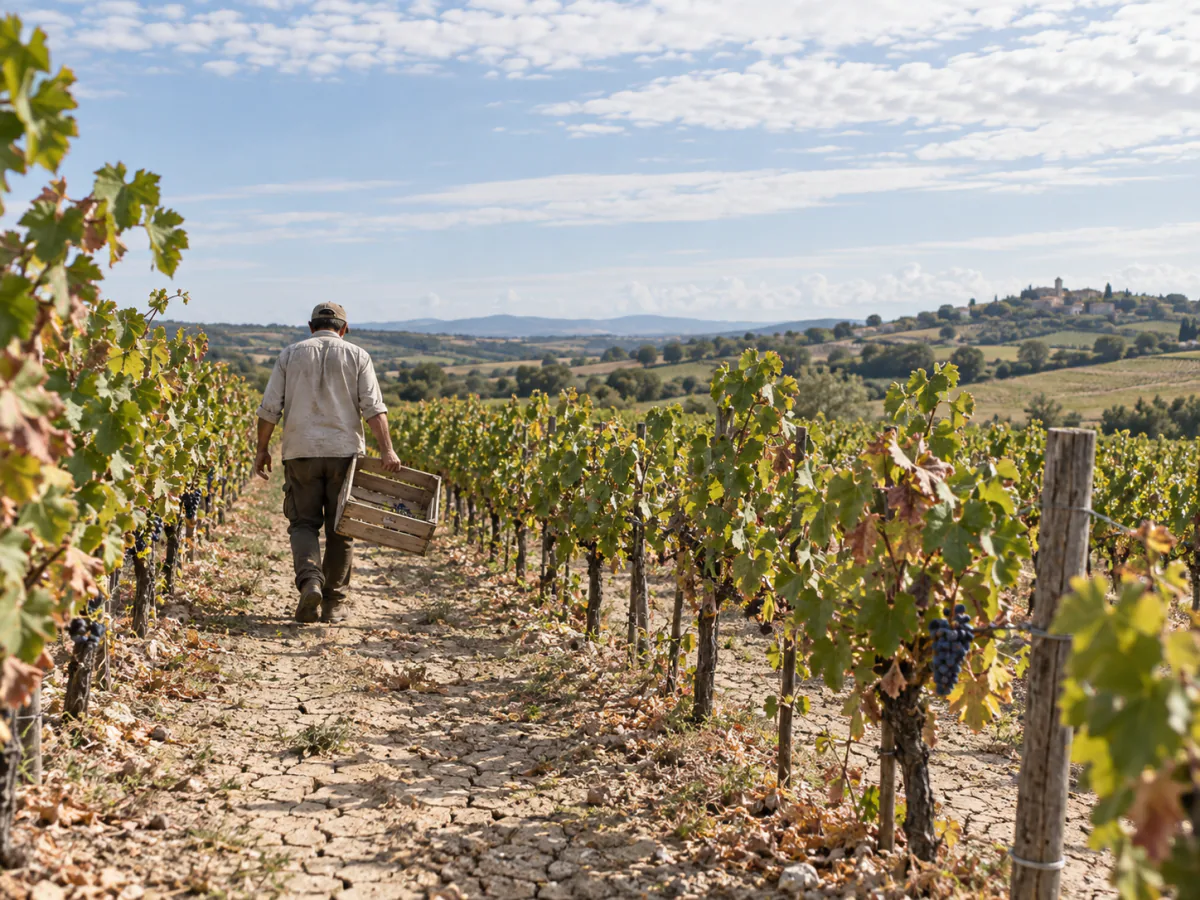
One of the main reasons for the slowdown in wine production is undeniably climate change. Extreme heatwaves, prolonged droughts, and unpredictable weather events (hail, frost, torrential rain) have disrupted viticultural cycles in many regions of the world. In France, for example, grape harvests are occurring earlier and earlier, impacting both the quality and quantity of the yield. According to the latest report by the International Organisation of Vine and Wine (OIV), global wine production fell by 10% in 2023 compared to the previous year.
Reduction in vineyard acreage
In addition to adverse weather conditions, the reduction in vineyard acreage is also contributing to this drop in production. Many winegrowers, particularly in less profitable regions, are gradually abandoning viticulture in favour of more resilient and profitable crops. In Australia, a 12% decline in vineyard area was observed between 2018 and 2023.
Economic crises, purchasing power, and inflation
Economic crises, exacerbated by the COVID-19 pandemic, have also played a major role in the decline of wine production. The prolonged closure of restaurants and bars, along with a drop in tourism, reduced global demand for wine, leading some producers to limit output to avoid inventory surpluses. At the same time, runaway inflation —driven by rising production costs (energy, raw materials) and distribution costs —has weighed heavily on the final price of wine. Consequently, consumers, facing an undeniable decline in purchasing power, have cut back on spending for products considered non-essential, including wine. In France, wine sales in large retail outlets fell by 7% in volume in 2023, according to the NielsenIQ 2023 report.
The rise of non-alcoholic wines: an opposing trend
Exponential growth in the non-alcoholic wine market
While the traditional wine industry is experiencing a slowdown, the non-alcoholic wine market is expanding rapidly. This trend is driven by several factors, notably a growing awareness of the benefits of moderate or zero alcohol consumption and a shift in consumption habits. More and more consumers are looking to reduce their alcohol intake without giving up the pleasure of wine. As a result, the non-alcoholic wine market saw 15% growth in 2023 —a trend that appears to be accelerating.
An increasingly diverse product range
The non-alcoholic wine industry has successfully adapted to this rising demand by diversifying its product range. From non-alcoholic sparkling wines to rosés and reds, the options are multiplying to meet the expectations of a customer base that is increasingly demanding regarding quality and taste. Major wine producers such as Giesen Wines and Leitz—previously reluctant to enter this market—are now offering alcohol-free versions of their most popular wines. This diversification of the product range has significantly boosted the appeal of alcohol-free wine, attracting not only moderate drinkers but also those seeking a healthier lifestyle.
New consumption dynamics: where are consumers shifting?
Beer: a new leader in France
In 2023, beer consumption in France reached a significant turning point. For the first time, beer sales in major retail outlets surpassed those of still wine in terms of revenue. This trend, which has been building for several years, is being driven by the continued growth of craft and local beers. In 2022, France was home to 2,500 breweries—up from just 500 in 2013—reflecting the growing enthusiasm for craft and local brews.
Wine: lower volume, higher value
Despite the ongoing decline in wine sales by volume, French consumers are increasingly turning to higher-quality wines. Indeed, the average budget allocated to a bottle of wine falls primarily between €11 and €20 for 55% of buyers —an increase compared to previous years, when budgets were lower. This trend indicates a shift towards more selective consumption, where quality takes precedence over quantity. Conversely, the frequency of wine purchases is decreasing, particularly among regular buyers, demonstrating that the French prefer to consume less but better.
Spirits and cocktails: growing diversification
Spirits —particularly rum and whisky —continue to dominate the French market, with consumption rates of 81% and 68% respectively among spirits consumers. The popularity of cocktails, especially among young people, confirms a diversification in consumption habits: French consumers alternate between different types of drinks over the course of a single evening. This trend highlights a shift towards experiential consumption, where the choice of drink depends on the moment and the occasion.
The non-alcoholic beverage market: continued growth
The non-alcoholic beverage segment continues to grow significantly. Around 29% of French consumers are interested in "no-low" beverages (low- or no-alcohol), driven primarily by health considerations or a desire to reduce their alcohol intake. This trend is particularly strong among young adults and women.
French consumption habits are shifting towards a marked preference for quality and a wider range of choices. Beer—now more popular than wine—has established itself as a staple drink, driven by the rise of craft and local breweries. At the same time, growing interest in spirits and cocktails reflects a desire for diverse experiences, where the choice of drink depends on the context and the occasion. Finally, the non-alcoholic beverage market continues to expand, fueled by consumers who are increasingly conscious of their health and well-being. Together, these trends are driving a profound shift in preferences, making diversity and quality the hallmarks of modern consumption.