The Power of Alcohol-Free
Alcohol-free, dopamine-rich: how can you reprogram your brain the healthy way? 🧠

By Anthony
To begin
Alcohol is deeply rooted in social rituals, particularly in Europe. In France, average consumption stands at 11.7 litres of pure alcohol per capita annually, while in Germany, the figure reaches 12.9 litres. These high levels demonstrate just how integral alcohol is to daily life. However, the impact of alcohol extends far beyond the social aspect. It affects the brain by disrupting the reward system—notably through the release of dopamine—which complicates withdrawal and reinforces addictive behaviors. This article explores how alcohol influences our brain and suggests natural alternatives for reprogramming this system in a healthy way.
Alcohol and pleasure
Images of summer parties or festive dinners often feature glasses of wine or champagne, perpetuating the equation "alcohol = pleasure." This perception stems from social conditioning in which alcohol accompanies every social occasion: drinks with friends, receptions, or simple dinners. These habits shape our behaviour, making it difficult to separate pleasure from alcohol consumption. The link between alcohol and reward is not based solely on social norms but also on neurobiological processes. When alcohol is consumed, the brain releases dopamine, a neurotransmitter that plays a key role in the feeling of satisfaction and reward. This activation of the reward system reinforces the desire to consume alcohol in order to prolong this pleasant sensation.
The role of dopamine in alcohol addiction
Dopamine, often referred to as the pleasure molecule, regulates feelings of satisfaction and reward. In their study titled "Dopamine and Alcohol Dependence: From Bench to Clinic", Nitya Jayaram‐Lindström, Mia Ericson, Pia Steensland, and Elisabet Jerlhag explain that alcohol stimulates dopamine release in the mesocorticolimbic system, a key brain pathway connecting the ventral tegmental area (VTA) to the nucleus accumbens (NAc) and the prefrontal cortex. This network is directly involved in motivation, pleasure, and the development of addictive behaviours. Researchers highlight that repeated exposure to alcohol progressively reduces dopamine activity in this pathway, thereby increasing the risk of developing dependence. Vulnerable individuals—such as those with a family history of alcohol dependence—often exhibit a reduced number of D2 dopamine receptors, making them more prone to dependence. This dopaminergic deficit drives a need to consume more alcohol to compensate, creating a vicious cycle that is difficult to break even after stopping consumption. Animal studies cited in the article show that alcohol increases dopamine levels in the nucleus accumbens and that this effect occurs even in anticipation, without actual alcohol consumption. This illustrates the strength of the association between alcohol and pleasure in the brain, which sustains addictive behaviours even in the absence of the substance.
A complex and pervasive impact
Alcohol is not limited to dopamine; it also affects other neurotransmitters such as GABA, serotonin and opioids, and creates a wide range of effects on mood and behaviour. The activation of these neurotransmitter systems explains why the effects of alcohol vary significantly— from mild euphoria to severe depression —depending on the amount consumed. A study by Jayaram-Lindström and colleagues highlights these mechanisms and shows how they complicate the withdrawal process by affecting multiple neuronal systems simultaneously. The anticipatory impact of alcohol on dopamine strengthens the urge to consume it, even before the drink is actually consumed. This phenomenon is even more pronounced in individuals with a strong preference for alcohol, making it harder to moderate or stop consumption. Furthermore, alcohol impairs memory and learning by disrupting signaling in the hippocampus and amygdala.
How can the dopamine boost from alcohol be replaced?
Foods that promote healthy dopamine production
- Bananas: Rich in tyrosine, they support dopamine production.
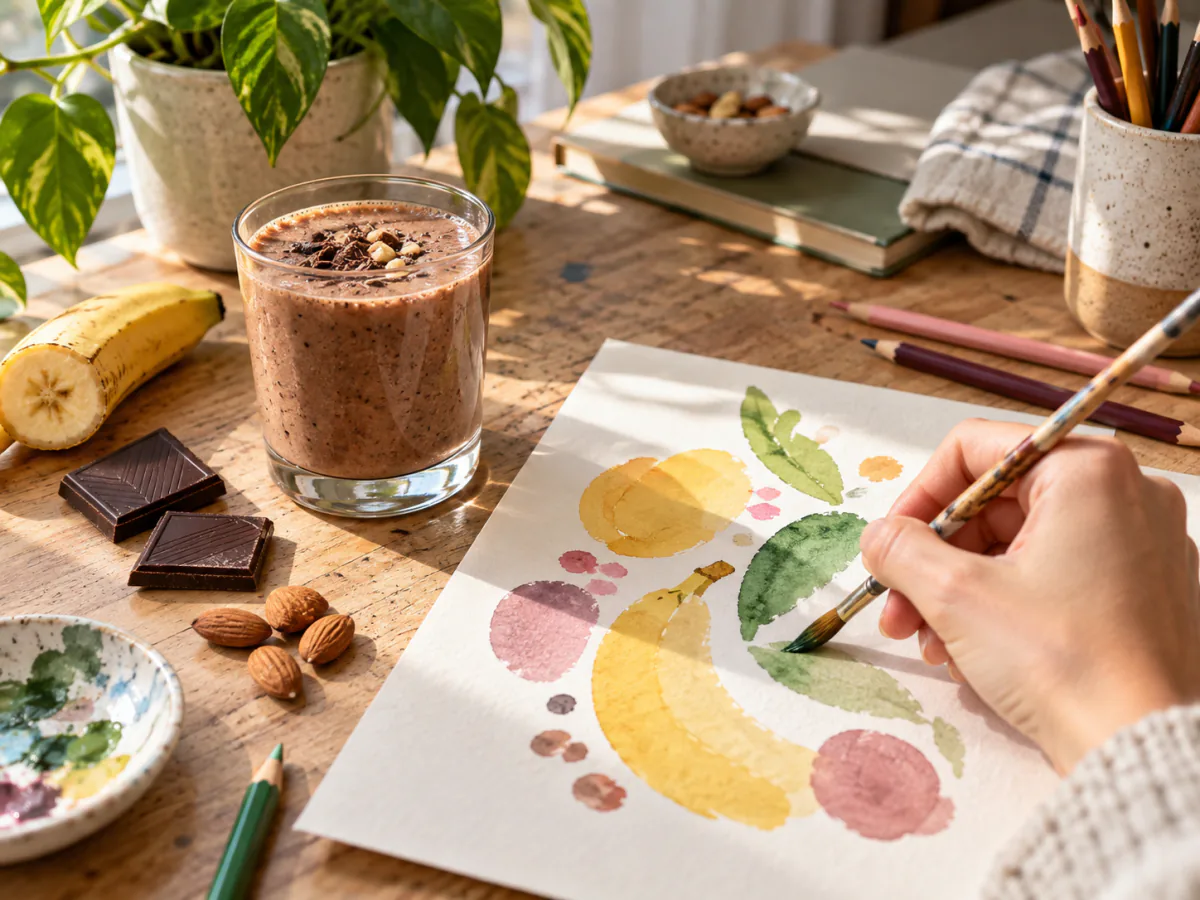
- Dark chocolate: Contains compounds like phenylethylamine that stimulate dopamine and provide a sense of well-being.
- Walnuts and almonds: Provide healthy fats and B vitamins that support brain function.
- Lean proteins: Such as chicken or turkey; rich in amino acids essential for dopamine production.
- Green vegetables: Spinach and broccoli provide antioxidants and nutrients essential for the brain.
These foods support stable dopamine production and promote well-being without the adverse effects of alcohol. Incorporating these foods into your daily diet can help stabilise mood and improve motivation.
Mocktails: when beneficial foods become festive
Mocktails are much more than just alcohol-free drinks: they are a way to enjoy the benefits of wholesome ingredients without missing out on the moment. On our site, you’ll find recipes that showcase these ingredients. For example, try the Banana-Cacao Smoothie, perfect for enjoying the benefits of banana and dark chocolate, which are rich in tyrosine and antioxidants. For a green option, the Green Detox Mocktail combines spinach, apple juice, cucumber, and lime —a nutrient-packed explosion ideal for revitalizing body and mind. If you are looking for a creamier drink, the Avocado Lime Cooler pairs avocado and lime for a touch of freshness and healthy fats. Each recipe is designed to offer you a taste experience full of pleasure and well-being.
Physical and creative activities
To relax and rewire your reward system, nothing beats new activities that stimulate both mind and body. Moving, creating, or simply taking time for yourself are effective ways to boost dopamine naturally. Exercise —even light activity like a walk or some stretching — releases endorphins and boosts your mood. Similarly, creative activities such as drawing, colouring or painting allow you to refocus and express yourself freely. Listening to music, writing, or even doing DIY projects are simple ways to rediscover joy in everyday life. Every moment spent engaging in these activities is a step towards a more authentic sense of well-being, where every sensation is fully experienced.
Alcohol is not essential for enjoying life's pleasures. By adopting natural alternatives—such as beneficial foods, mocktails, and creative activities—it is possible to rewire our brain's reward system. These strategies allow us to replace addictive behaviors with healthier, more balanced sources of pleasure, paving the way for lasting well-being free from dependency.