Zero Pulse
Against the odds: the glass industry faces a crisis

By Anthony
To begin
The French glass industry—particularly the sector specialising in bottle production—is facing an unprecedented crisis. Driven primarily by falling wine consumption and difficulties stemming from the energy crisis, this situation threatens the entire industrial supply chain supporting this vital sector. While some companies are attempting to diversify to avert the worst, others—such as Saverglass—have been forced to resort to short-time working schemes, underscoring the gravity of the current challenges.
A structural decline in wine consumption
Wine consumption in France has seen a marked decline over several decades. It has dropped from 100 litres per capita annually in 1970 to less than 50 litres today. This shift is driven by changing consumer preferences—increasingly leaning towards lighter drinks and sometimes alcohol-free options, alongside the rise of the "NoLow" (no- and low-alcohol) trend—as well as increased competition from foreign wines. This decline, combined with production surpluses, has directly impacted the demand for glass bottles—a sector that was already vulnerable prior to the current crisis.
Exacerbation by the energy crisis
Alongside this drop in demand, the skyrocketing cost of energy —exacerbated by the war in Ukraine—has plunged the glass industry into further difficulties. Glass manufacturing furnaces run primarily on gas, the price of which has soared. This situation has led to production cost increases ranging from 10% to 65%, depending on the bottle type, forcing some companies to cut production or even temporarily shut down certain lines.
Shifting sands: when the resource runs short!
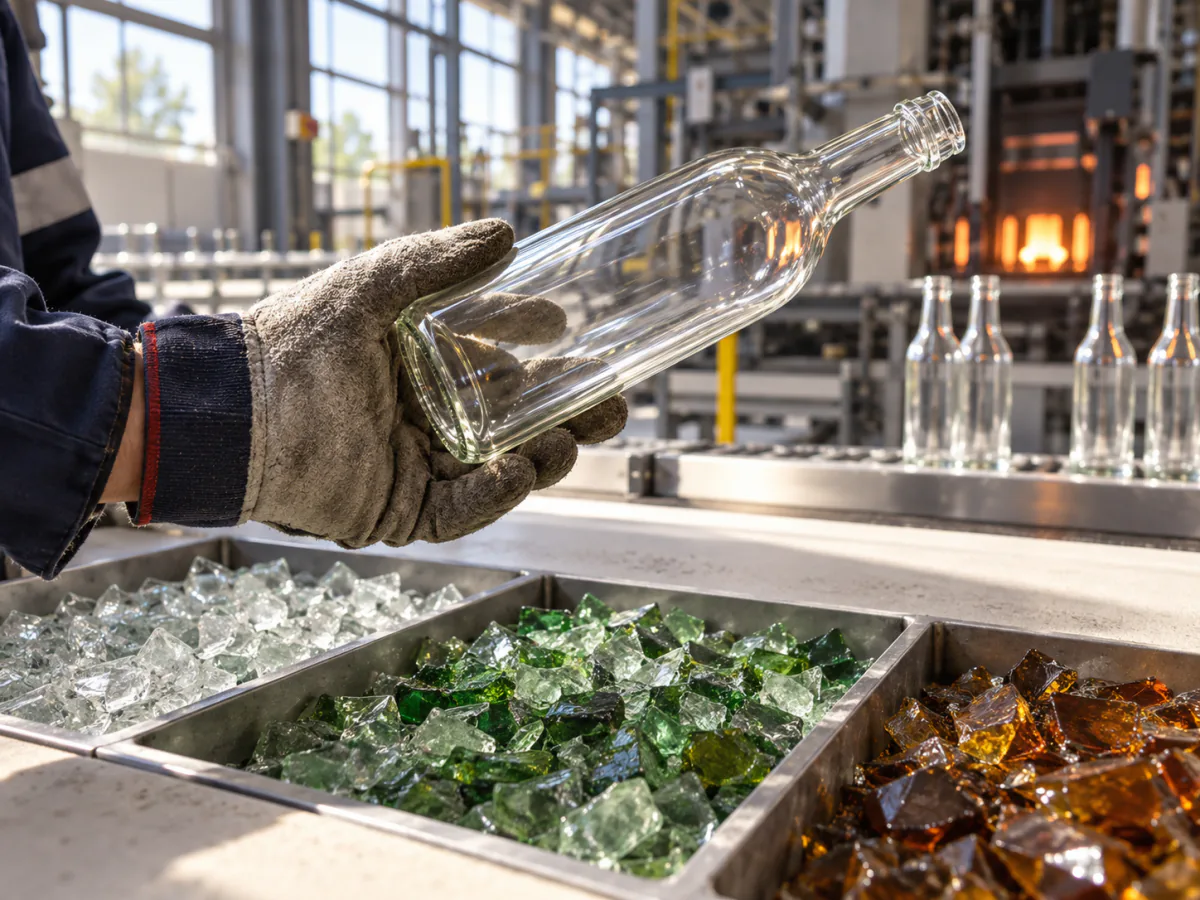
The shortage of sand —a raw material essential for glass manufacturing—poses an additional challenge for the glass industry. It is not only the drop in demand for wine bottles that is putting pressure on the sector, but also the difficulty in accessing high-quality silica sand, which is indispensable for glass production. Exploited at an alarming rate by numerous sectors (construction, electronics, etc.), sand is becoming increasingly scarce. Certain types of sand, such as desert sand, cannot be used for glass manufacturing, further limiting available reserves. This scarcity is driving up costs and slowing down production. Faced with this situation, the glass industry is exploring solutions such as glass recycling to reduce reliance on this resource. In response to this challenge, the growing use of cullet (recycled glass) offers a solution, yet implementing it is far from simple. Effective glass recycling requires rigorous collection and suitable infrastructure—systems that remain inadequate in some regions. Furthermore, cullet must be of very high quality to be reused, requiring costly sorting and processing to remove impurities. Thus, while promising, cullet alone cannot solve the challenges surrounding raw material supplies.
Short-time working: an increasingly common reality
Faced with these challenges, many glass companies—including Saverglass—have been forced to resort to short-time working to cut costs and adjust production in response to falling demand. The sector's two giants, OI-Glass (US) and Verallia (France)—which dominate glass production for wine, spirits, and beer—have been particularly hard hit. Several of their plants in France, notably in key wine-producing regions such as Bordeaux, the Rhône Valley, Languedoc, and Burgundy, have been placed on short-time working schemes. Thousands of employees have seen their jobs affected by these measures. OI-Glass, which operates nine plants in France and posted revenue of €800 million in 2023, and Verallia, which has seven plants and generated €953 million in revenue that same year, have both been forced to cut production rates. This decision comes after the companies had recently made strides towards greener technologies, such as the decarbonised furnaces inaugurated in Gironde and Cognac. Despite these promising initiatives, the drop in consumption of wines, beers, and spirits has forced these companies to slow down production, thereby stalling their green development projects. In early 2024, Saverglass placed 1,259 of its employees at its Feuquières plant on short-time work for an initial three-month period, renewable if necessary. This measure also affects nearly 500 employees at its subsidiary, Saverdec. As of October 2024, the situation remains precarious for the company, with short-time work measures still in effect at certain sites. Although some international markets are beginning to show signs of recovery, volumes remain insufficient to offset the decline in traditional segments such as wine.
The future of the glass industry: a glimmer of hope through diversification?
To overcome this crisis, the glass industry is exploring diversification avenues. One of the key opportunities lies in producing bottles for non-alcoholic beverages, a rapidly growing market. Furthermore, glassmakers are increasingly turning to other sectors such as cosmetics and pharmaceuticals, where demand for premium glass packaging remains strong. At the same time, innovation plays a key role in this adaptation. Developing more eco-friendly bottles —using recycled glass (cullet) and more energy-efficient manufacturing processes—is a major focus for glassmakers.
The glass and wine industries stand at a critical crossroads. While short-term measures, such as partial unemployment schemes, have averted an immediate collapse, deeper structural reforms are required. The future of these sectors depends on greater market diversification, a transition to more sustainable production methods, and continuous adaptation to changing consumer habits.