Zero Pulse
Pesticides: 4 fruits and vegetables to avoid unless organic in 2024

By Anthony
To begin
In a special issue dedicated to food and health, the magazine 60 Millions de consommateurs warns of concerning levels of pesticide residues in several fruits and vegetables commonly consumed in France. Although strictly regulated, the use of pesticides in agriculture remains a major concern for public health and the environment. In 2024, certain fruits and vegetables show such high levels of contamination that buying organic versions is strongly recommended.
The growing use of pesticides in Europe
Pesticide application in Europe has steadily increased in recent years, despite initiatives to promote more environmentally friendly farming practices. According to a study conducted between 2011 and 2019, the quantity of pesticides used has not decreased—on the contrary, it has risen slightly—directly impacting the quality of the fruits and vegetables we consume. According to 60 Millions de consommateurs, the rate of contamination by pesticide residues—particularly in fruit—has risen alarmingly. In France, approximately 3.7 kg of pesticides are applied per hectare annually, a figure that places the country around the European average. Some European nations, such as the Netherlands, stand out for the wrong reasons due to even more intensive usage, with up to 10.9 kg of pesticides per hectare. Consumers should take these figures into account when selecting products, especially since the geographical origin of fruit and vegetables often plays a major role in both their price and their contamination levels.
The most contaminated fruits in 2024
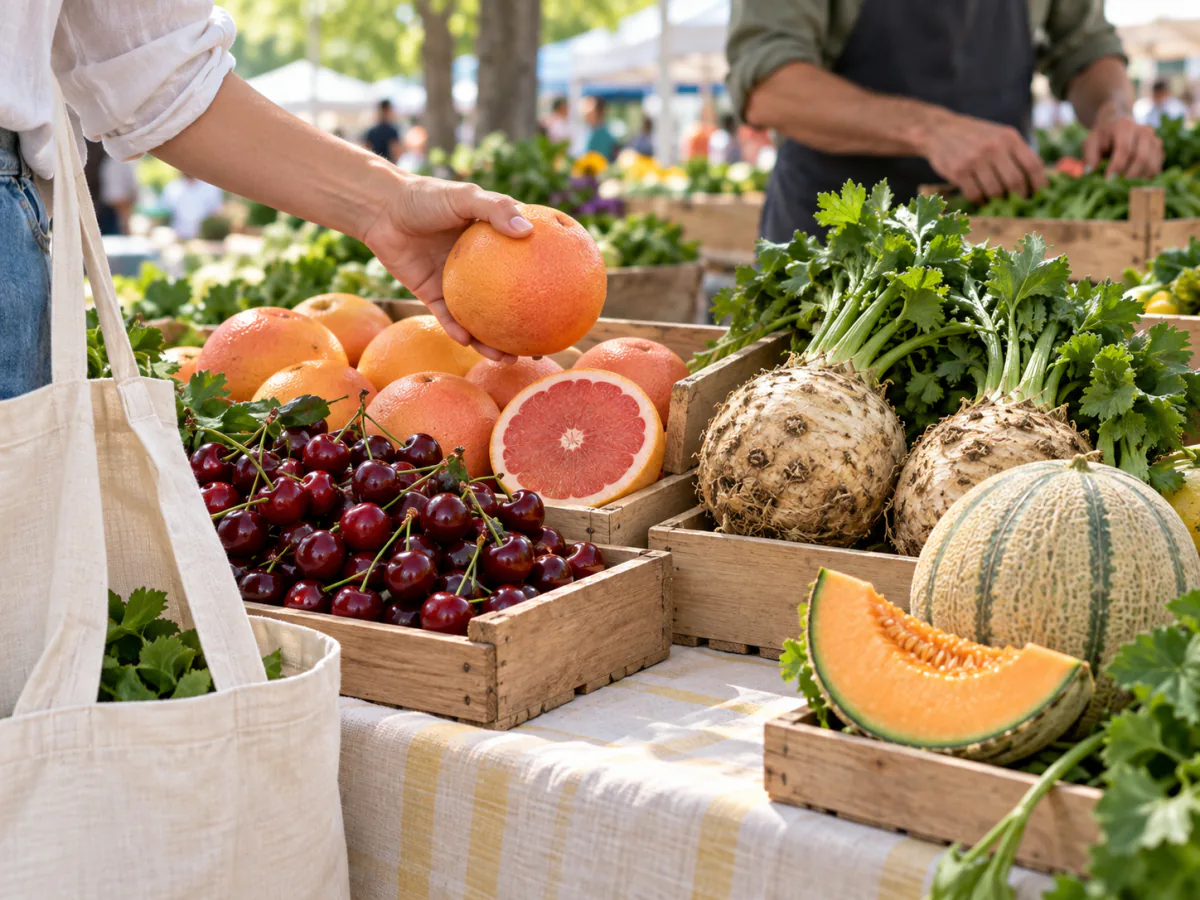
Among the fruits analysed by 60 Millions de consommateurs, two stand out for their extremely high levels of pesticide residues: cherries and grapefruit/pomelos.
- Cherries: Over the past five years, 93.8% of the cherry samples analysed contained at least one pesticide residue. This figure is particularly concerning given that cherries are often eaten raw, limiting the ability to reduce contamination through washing or cooking. Among producing countries, Spanish cherries are the most affected, followed by those from Greece and France. This means that, even for local produce, the risk of contamination remains high.
- Grapefruit and pomelos: These citrus fruits are also significantly affected by pesticide residues, with 91.1% of tested samples showing traces of chemicals. Although these fruits are usually peeled before consumption, pesticides can penetrate the flesh through the skin, making it difficult to completely remove the residues.
In addition to these two fruits, other products also pose a high risk of contamination—such as nectarines and grapes —which also show significant residue levels. However, according to this study, cherries and grapefruits remain the most problematic in terms of contamination.
The most contaminated vegetables in 2024
Vegetables are not spared from this contamination. Two of them stand out for having particularly concerning pesticide levels: celeriac and melon.
- Celeriac: The study reveals that 78.5% of the celeriac samples analysed contain at least one pesticide. This vegetable, often used in soups, purées, and gratins, is widely consumed in France, especially during winter. Its high pesticide levels make it a product to avoid unless it is organic.
- Melon: In summer, melon is a staple on French tables. Yet, 69% of the melon samples analysed contain pesticide residues. This relatively high contamination rate should encourage consumers to choose organically grown melons or turn to trusted local producers who limit the use of chemicals.
Why are these fruits and vegetables so contaminated?
The high level of pesticide residues in these fruits and vegetables is due to several factors. Some of these crops, such as cherries or celeriac, are particularly vulnerable to insects and diseases, prompting farmers to use larger quantities of pesticides to protect the crops. Furthermore, some pesticides are systemic—meaning they penetrate the plant and circulate throughout all its parts, including the fruits and vegetables we consume. Intensive farming methods—particularly those used in countries with hot, humid climates like Spain—also encourage the heavy use of pesticides to maximise yields and protect crops against pests.
Where in France are the most contaminated fruits and vegetables found?
Pesticide residues in fruits and vegetables are not evenly distributed across France. Certain regions stand out for higher pesticide use due to their climate, the types of crops grown, or farming practices. In the Île-de-France region, peri-urban agriculture involves significant pesticide use, particularly for vegetable crops such as lettuce and potatoes. The region's proximity to Paris drives intensive agricultural production to meet the growing demand from local consumers. This type of local farming can lead to increased chemical use to protect crops from a temperate climate that is often humid. In the Hauts-de-France region, fertile land is ideal for growing vegetables such as cabbage, potatoes, and beets. However, these crops—which are essential to the agri-food industry—are highly susceptible to pests and moisture-related diseases, leading to heavy reliance on phytosanitary treatments. Agriculture in this region is also export-oriented, which further drives up pesticide use to ensure high yields. Finally, southeastern regions—such as the Rhône Valley and Languedoc-Roussillon—are traditionally associated with the cultivation of grapes, stone fruits (like cherries and peaches), and melons. High temperatures and long, dry summers foster insect proliferation, necessitating frequent chemical treatments. Wine and fruit produced in these areas show some of the highest pesticide residue levels in France. Consequently, depending on where you shop, it is advisable to adopt more cautious consumption habits—specifically by prioritising organic fruits and vegetables —especially for produce originating from these high-risk regions.
What solutions are there to limit pesticide exposure?
While pesticides are ubiquitous in certain fruits and vegetables, several measures can be taken to limit their impact on health.
- Opt for organic produce: Organic fruits and vegetables are grown without synthetic pesticides. Although they are not entirely free of chemical residues, their contamination levels are significantly lower than those of conventional products. Buying organic is particularly recommended for the most heavily contaminated fruits and vegetables, such as cherries, melons, celeriac, and grapefruits.
- Washing and peeling fruits and vegetables: A thorough wash with clean water helps remove some of the residues present on the surface. However, this is not enough to eliminate systemic pesticides that penetrate the flesh of fruits and vegetables. Peeling fruits and vegetables can also help when possible, but this results in the loss of certain nutrients located just beneath the skin.
- Supporting local producers: Turning to local producers who practice sustainable or organic farming can also be a solution. These farmers, often more concerned about the environment and consumer health, use production methods that rely less on chemicals.
The study by 60 Millions de consommateurs highlights a worrying reality: certain fruits and vegetables contain pesticide residue levels high enough to pose a health risk. Cherries, grapefruits, celeriac, and melons are the most affected. To reduce exposure to these substances, opting for organic, local, or minimally processed products remains an effective solution. Ultimately, being an informed and vigilant consumer is essential to protecting your health while contributing to more sustainable production methods.