Zero Pulse
Why doesn't Emmanuel Macron like Dry January?

By Anthony
To begin
Every year, millions of people around the world participate in Dry January, an iconic challenge involving abstaining from alcohol during the month of January. It is an initiative that encourages people to reflect on their habits while giving the body a welcome break after the excesses of the holiday season. However, in France, this initiative is far from universally supported. While citizens are free to participate, the government has deliberately stayed on the sidelines. Emmanuel Macron, in particular, has expressed his opposition to the campaign. Why is the French president so wary of an initiative viewed as beneficial for everyone in many other countries?
Abstinence that unsettles the wine industry 🍷
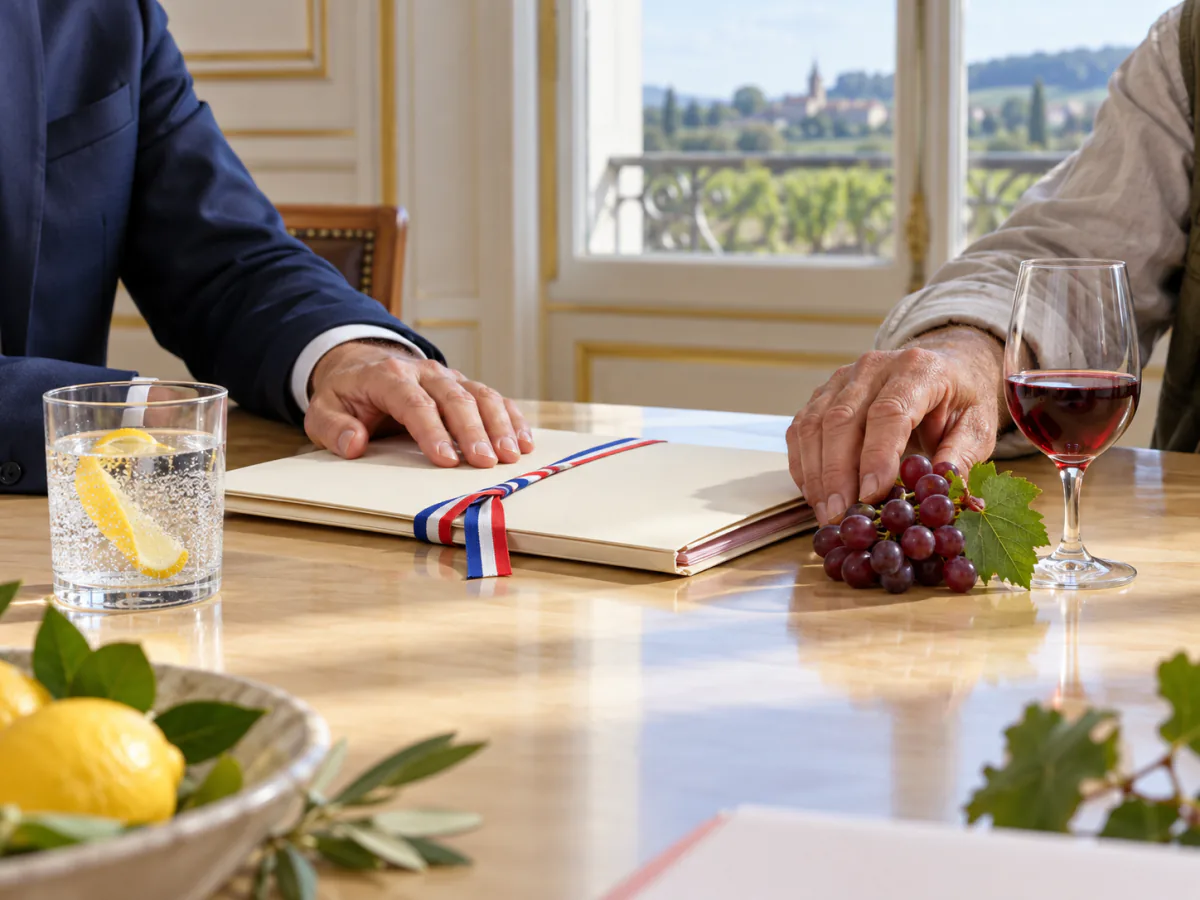
France—the quintessential wine country—places alcohol at the heart of its culture, particularly through its gastronomy and traditions. When an official campaign to promote Dry January was being considered in 2019 under the auspices of Santé publique France (the national public health agency), the project was abruptly abandoned following a meeting between Emmanuel Macron and representatives of the wine industry.
According to several accounts, Emmanuel Macron preferred to emphasise "moderation" year-round rather than promote a month of abstinence. A choice that illustrates—if proof were needed—the symbolic and economic importance of wine in France, but also a desire to avoid any controversy among industry professionals, who are already struggling on other fronts (declining consumption, international competition, etc.).
The weight and power of the wine lobby ⚖️
The wine industry represents a vital part of the French economy as well as a diplomatic asset, given how closely wine is linked to the country's cultural influence.
Promoting a campaign like Dry January could have been seen as an affront to this iconic sector, especially since some producers already view initiatives aimed at curbing alcohol consumption unfavorably.
Indeed, industry representatives have voiced concerns that an alcohol-free month might send a negative signal, both within France and abroad. Emmanuel Macron —himself a wine enthusiast —reportedly stated that he prefers "one glass a day, but a good glass," a phrase that made a lasting impression. It was a way of emphasising responsible consumption without advocating abstinence.
An initiative that remains popular, yet lacks official support 🐓
Contrary to what some might think, Dry January is not banned in France. Many organisations, such as the Ligue contre le Cancer (or Addictions France), actively support this movement and encourage French people to reflect on their consumption. However, without an official campaign or state support, Dry January in France lacks resources, recognition, and visibility. In contrast, countries like the United Kingdom officially support the initiative, making it accessible and widely publicised. The results speak for themselves: better public health, reduced excessive consumption, and heightened awareness of alcohol-related risks.
The lack of government support for Dry January raises questions. Can we truly promote moderate consumption without opening a debate on the role of alcohol in our societies? While the campaign's positive impact is recognised abroad, France seems hesitant to embrace a more open dialogue about sobriety (after all, we are talking about just one month!). Emmanuel Macron—a defender of winemaking traditions and, frankly, receptive to lobbying—has chosen not to make Dry January a priority. Yet, nothing stops French citizens from adopting this practice on an individual basis. For beyond official rhetoric lie actions, and the power to change habits remains—as always—in the hands of the people.