The Power of Alcohol-Free
Uptober: 7 alcohol-free drinks to boost your energy and immunity this autumn

By Anthony
To begin
Autumn is setting in with its blazing colours, but also its first chills and the dip in vitality that many experience. Less light, increased fatigue, and sometimes flagging immunity—the season puts our bodies to the test. But what if, instead of simply enduring this transition, we turned it into an opportunity for renewal?
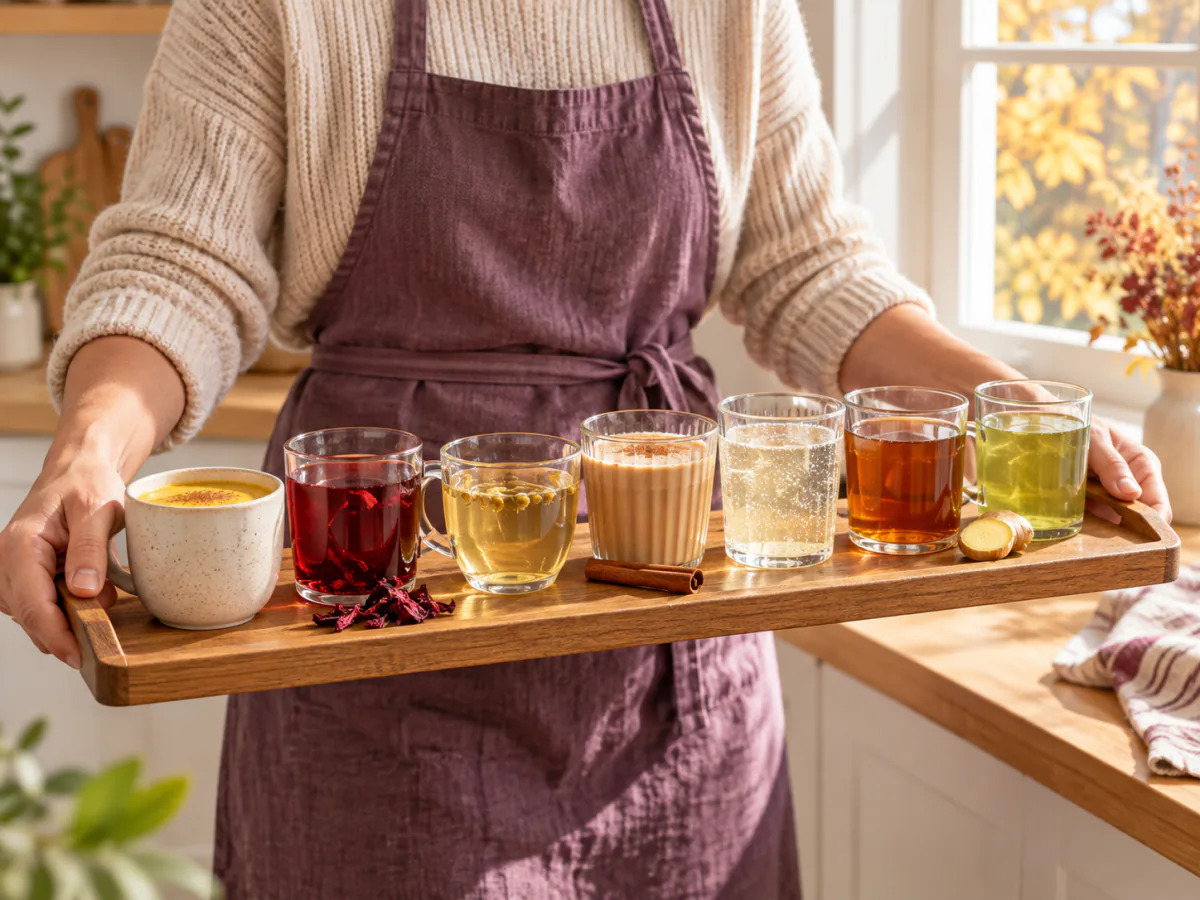
That is the very spirit of "Uptober"—a month designed to give you a genuine, natural boost. The idea: incorporate non-alcoholic drinks with targeted benefits—energising, immune-boosting, or comforting—into your daily routine to face autumn with serenity and vitality. From golden milk and kefir to thyme herbal teas and spiced chai, these recipes—whether traditional or modern—offer natural alternatives to standard beverages.
Understanding the impact of autumn on the body
As the days grow shorter, our bodies readjust. The decrease in light levels disrupts our circadian rhythm, which directly affects the production of serotonin, the hormone linked to mood and energy. Increased fatigue, sometimes a dip in mood, and heightened sensitivity to the cold.
In terms of immunity, the transition from summer heat to the first chill weakens natural defences. The body expends more energy maintaining its internal temperature, leaving it less equipped to fight off seasonal viruses. This is often when colds and minor winter ailments strike.
Rather than resigning yourself to this slump, you can prepare and strengthen your body with targeted drinks. Hydrating and rich in antioxidants, vitamins, and natural active ingredients, they become true allies in helping you get through autumn without losing your vitality.
7 non-alcoholic drinks to boost energy and immunity this autumn
1. Thyme, lemon, honey, and ginger herbal tea
A seasonal transition classic. Thyme is known for its antibacterial properties, ginger stimulates circulation and fights inflammation, while lemon provides a dose of vitamin C. Finally, honey soothes the throat and acts as a natural antiseptic.
👉 Enjoy in the morning or early afternoon to boost your daily defences.
2. Hibiscus infusion (bissap)
With its ruby-red colour and tangy taste, bissap is an infusion rich in anthocyanins and vitamin C. Its antioxidant properties support cardiovascular health and help protect cells against oxidative stress.
👉 Served hot or cold, it is a great alternative to standard herbal teas.
3. Golden milk (turmeric milk)
Originating from Ayurveda, Golden milk is a blend of plant-based milk, turmeric, black pepper and ginger — a true anti-inflammatory drink. The curcumin in turmeric is activated by the piperine in pepper, enhancing its effectiveness.
👉 Ideal for the end of the day, offering a comforting moment that soothes and supports the joints.
4. Masala chai
Originating in India, this spiced tea combines cinnamon, cardamom, ginger, and cloves. Together, these spices regulate blood sugar levels, aid digestion, and boost immunity.
👉 Perfect for replacing your afternoon coffee, while enjoying a gentle energy boost.
5. Fruit kefir
A sparkling fermented drink, kefir provides probiotics that benefit the gut microbiota, a key element of immunity. Rich in B vitamins, it also helps maintain good energy levels.
👉 Drink regularly, varying the flavours (apple, ginger, red berries) to support digestive balance.
6. Kombucha
Similar to kefir but made from fermented tea, kombucha combines tea antioxidants with probiotic benefits. It aids digestion and microbiota balance, and may even help improve mood.
👉 Enjoy mid-day as a refreshing, invigorating drink.
7. Adaptogenic herbal infusions (ashwagandha, rhodiola)
These plants help the body better manage stress and fatigue associated with the change of seasons. Ashwagandha regulates cortisol and promotes relaxation, while rhodiola boosts concentration and cold tolerance.
👉 Take as a course over a few weeks; incorporate into hot infusions or wellness blends.
Practical strategies and precautions
When to drink what?
Each drink has its ideal time:
- In the morning, opt for a ginger infusion or chai masala to gently kickstart your metabolism.
- Midday, a glass of kombucha or kefir offers refreshment and probiotics—perfect for supporting digestion.
- At the end of the day, golden milk or an ashwagandha infusion promotes relaxation and prepares the body for restful sleep.
Prioritise ingredient quality
To maximise the benefits, choose fresh, organic ingredients. Whole spices (cinnamon, cardamom, ginger) release more active compounds than their powdered counterparts. For honey and medicinal herbs, prioritise local, artisanal sourcing.
Tailor consumption to your needs
Everyone reacts differently. People prone to seasonal stress will find particular support in adaptogenic herbs, while those suffering from low energy might prefer fermented or spiced drinks. The key is to vary your choices and listen to your body.
Precautions and contraindications
Certain herbs or preparations are not suitable for everyone:
- Adaptogens such as ashwagandha and rhodiola can interact with certain medical treatments.
- Kombucha, which is slightly acidic, should be avoided in cases of severe acid reflux.
- Ginger, in large quantities, may not be recommended for people with blood clotting disorders.
When in doubt, it is best to seek advice from a healthcare professional, especially if you are pregnant or taking medication.
Embracing the "Uptober" spirit means turning October into a time of renewal rather than resignation. By incorporating one or two non-alcoholic drinks each day—chosen for their beneficial properties, such as protective herbal teas, soothing golden milk, revitalising kefir, or comforting chai—you support your energy levels, immune system, and mood all at once.
These drinks draw on ancient traditions backed by modern research; they do more than just hydrate—they nourish our immune defences and help the body cope with the challenges of autumn.
It is not about changing everything overnight, but rather establishing a gradual, personalised ritual. Just a few cups a day are enough to feel a difference and face the colder season with more vitality, less fatigue, and greater resilience.
In short, autumn doesn’t have to mean a slump in energy; with the right drink in hand, it can become a season of strength and well-being.